

Floating Wind: Unlocking Offshore Energy for a Sustainable Future
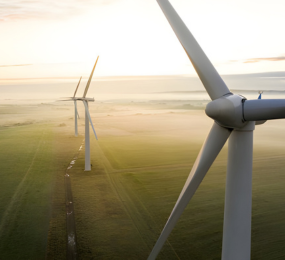
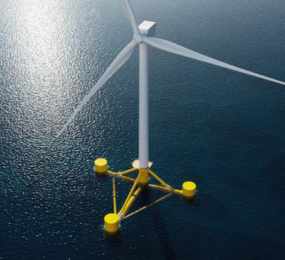
As the world searches for cleaner and more reliable energy sources, floating wind power has emerged as one of the most promising innovations in renewable energy. Unlike traditional offshore wind farms fixed to the seabed, floating wind turbines are anchored to floating platforms, making it possible to harness strong and consistent winds in deeper waters where conventional solutions cannot reach.
Why Floating Wind Matters
Wind power has already proven itself as a cornerstone of renewable energy. However, most fixed-bottom wind farms are limited to shallow waters, leaving vast stretches of deeper oceans untapped. Floating wind technology removes this limitation, opening access to regions with higher wind speeds and steadier energy potential.
For countries with limited shallow coastal areas, such as Japan, South Korea, and parts of Europe, floating wind offers a pathway to expand renewable capacity without being constrained by geography.
Innovation on the Water
Floating wind farms rely on engineering advances drawn from the oil and gas industry, such as semi-submersible platforms and tension-leg structures. These designs ensure that turbines remain stable even in harsh ocean conditions. By placing turbines farther offshore, floating wind farms also reduce visual and noise impact on coastal communities, addressing common concerns tied to land-based and nearshore installations.
Global Momentum
The momentum behind floating wind is growing rapidly. Europe has been at the forefront, with pioneering projects in Norway, Scotland, and France proving that large-scale floating wind is viable. Asia is following suit, with Japan and South Korea making major investments in the sector. Meanwhile, the United States is exploring floating wind opportunities along its Pacific coast, where deep waters make fixed-bottom turbines impractical.
Governments and private investors alike see floating wind as essential to achieving ambitious carbon reduction targets. The International Energy Agency (IEA) estimates that floating wind could unlock terawatts of renewable capacity worldwide an amount capable of transforming the global energy mix.
Challenges Ahead
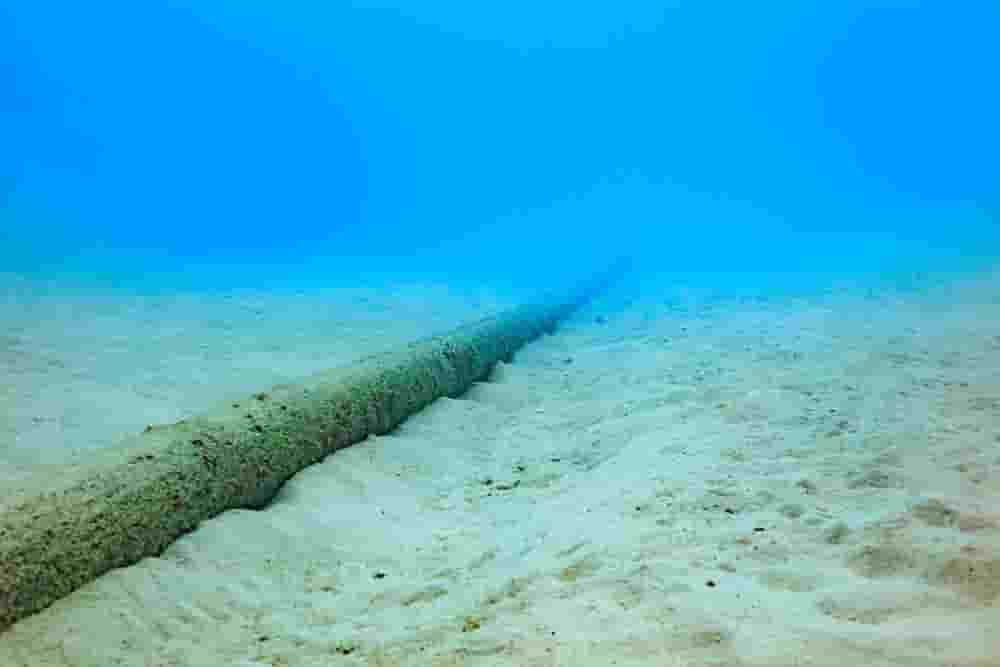
Despite its promise, floating wind is still an emerging technology. Costs remain higher than those of fixed-bottom wind, and scaling up infrastructure requires significant investment. Logistics, including specialized vessels, subsea cabling, and port facilities, must evolve to meet industry demands. However, as with solar and fixed offshore wind before it, costs are expected to decline as technology matures and deployment scales up.
Looking to the Future
Floating wind is not just about generating electricity; it is about reshaping the way nations harness natural resources. By tapping into deep-water wind, the technology offers energy security, economic opportunity, and a sustainable path forward.
Takeaway Point: Floating wind power represents a breakthrough in renewable energy, unlocking vast offshore potential in deeper waters. Though challenges remain, its global momentum shows that floating wind is set to play a pivotal role in driving a cleaner, more resilient energy future.
Learn more on our website: https://www.leadventgrp.com/event/6th-annual-floating-wind-europe/register
For more information and group participation, contact us: [email protected]
Leadvent Group - Industry Leading Events for Business Leaders!
www.leadventgrp.com | [email protected]





Comment