

The Land Use Solution
The world faces a growing challenge: how to meet rising energy demands while maintaining food security. Traditional approaches often pit renewable energy against agriculture in a battle for land use. Enter agrivoltaics—an innovative solution that allows solar panels and crops to coexist on the same land. This dual-use approach is gaining momentum across Europe, proving that farmers don't have to choose between feeding people and powering communities.
What Are Agrivoltaics Systems?
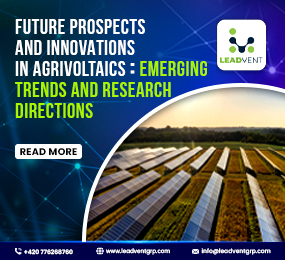
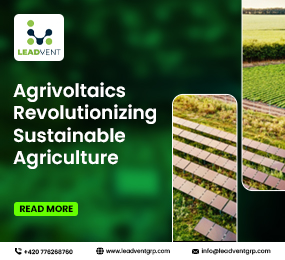
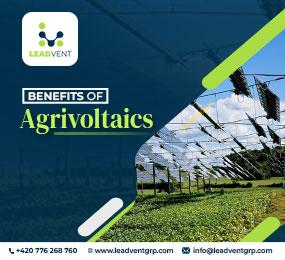
Agrivoltaics, often called agripv, blends solar panels with farming on the same land. The idea is simple but smart. Panels are placed high to let farmers grow crops below them. They are spaced in a way that crops still get enough sunlight.
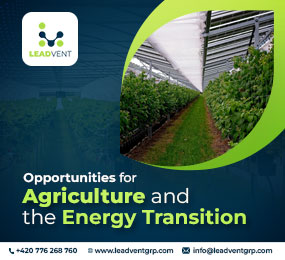
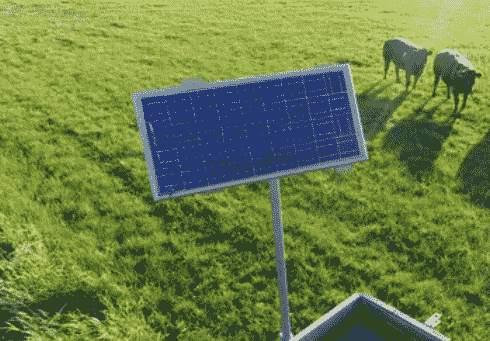
There are different setups in modern agriculture. Some setups grow vegetables under the raised panels. Others mix solar energy with livestock, like sheep grazing between the rows of panels. The trick is setting the panels at just the right height and spacing them right to help both farming and energy.
New technology has made these systems easier to use and more useful for farmers. Panels with adjustable angles and better mounting designs now work better with farming tools and changing seasons.
The Win-Win Benefits
Agricultural Advantages
Farmers who use agrivoltaic systems often find more than just extra income. Solar panels act as a shield against harsh weather like hail, too much heat, or dry conditions. This shading effect uses less water, which is important as climate change makes water shortages worse.
Studies reveal impressive outcomes. Crops like berries and leafy greens can grow better under agrivoltaic setups, with yields increasing by up to 17%. The shading provides just the right conditions for vegetables, keeping them cool enough to avoid heat stress while still giving them enough sunlight to photosynthesize.
Energy Production Benefits
Solar panels used in agrivoltaics systems work more than standard ground-mounted ones. Crops release moisture into the air, which keeps panel temperatures at an ideal level, leading to higher energy production. These systems also make solar projects more acceptable to communities, helping with common objections like the "not in my backyard" attitude.
Environmental Impact
The environmental benefits go far beyond single farms. Pollinator-friendly habitats can exist under the panels in agripv setups, which helps protect biodiversity. Keeping vegetation in these areas stops soil from being washed or blown away while also locking up carbon, which supports larger climate efforts.
European Market Growth
Europe is spearheading the growth of agrivoltaics worldwide. Many nations in Europe have introduced helpful policies and funding plans because they see agriculture as a major part of their plans to boost renewable energy. Predictions show the agrivoltaics sector in Europe will expand a lot in the next ten years, with EU climate goals and incentives tied to the Common Agricultural Policy giving it strong momentum.
Nations like Germany, France, and the Netherlands push forward with large agrivoltaics projects, proving this approach works on a large scale. Governments are speeding up the process by offering grants and passing rules that favor adoption across Europe.
Real-World Success Stories
Successful agrivoltaics projects across Europe showcase the technology's versatility. In France, a berry farm increased both crop yields and energy production while maintaining traditional farming practices. German installations demonstrate how sheep grazing complements solar installations, providing natural vegetation management while generating clean energy.
These success stories highlight an important truth: agrivoltaics isn't just theoretical—it's a proven approach delivering measurable benefits to farmers, energy producers, and local communities.
Future Outlook
The agri industry continues evolving rapidly. Emerging technologies include bifacial solar panels that capture light from both sides and smart tracking systems that optimize panel positioning throughout the day. These innovations promise even greater efficiency and agricultural compatibility.
Standardization efforts are underway to establish quality benchmarks and best practices. Industry collaboration through events and knowledge-sharing platforms plays a crucial role in advancing the sector and addressing scaling challenges.
Moving Forward Together
Agrivoltaics represents more than a technological solution—it's a paradigm shift toward truly sustainable land use. By proving that energy production and food security can coexist and even enhance each other, this approach offers hope for addressing two of humanity's most pressing challenges simultaneously.
The continued growth of the agrivoltaics sector depends on ongoing collaboration between farmers, energy developers, researchers, and policymakers . Platforms like Leadvent Group's 4th Annual Agrivoltaics Europe serve as essential forums for sharing innovations, discussing challenges, and building the partnerships necessary for widespread adoption. As this solar power conference demonstrates, the future of sustainable agriculture and renewable energy lies in working together rather than competing for resources.
Frequently Asked Questions
What types of crops work best with agripv systems?
Leafy greens, berries, and certain vegetables like peppers and eggplant show excellent results. Shade-tolerant crops generally perform better under agripv installations than sun-loving varieties.
Are agrivoltaics systems more expensive than traditional solar installations?
Start-up expenses rise because of the need for specialized mounting setups. But over time, the combination of farming profits and better panel performance balances out those added costs in a few years.
How do agrivoltaics contribute to climate goals?
Agripv systems support both renewable energy targets and sustainable agriculture, reducing carbon emissions while maintaining food production and improving land use efficiency for climate adaptation strategies.





Comment