

Lessons Learned from Early Floating Wind Projects in Europe
Europe has long been at the forefront of renewable energy innovation, and floating wind is no exception. As the world looks for scalable solutions to harness offshore wind in deeper waters, Europe’s early projects from Scotland’s Hywind to France’s pilot farms have provided valuable insights. These lessons are not just technical; they touch on economics, supply chains, and the importance of policy support.
Technology: Proving Feasibility but Facing Complexity
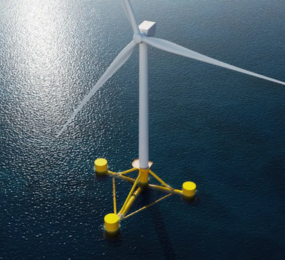
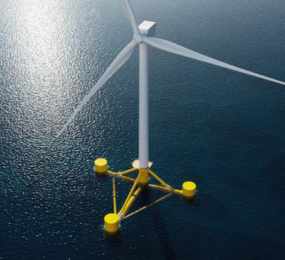
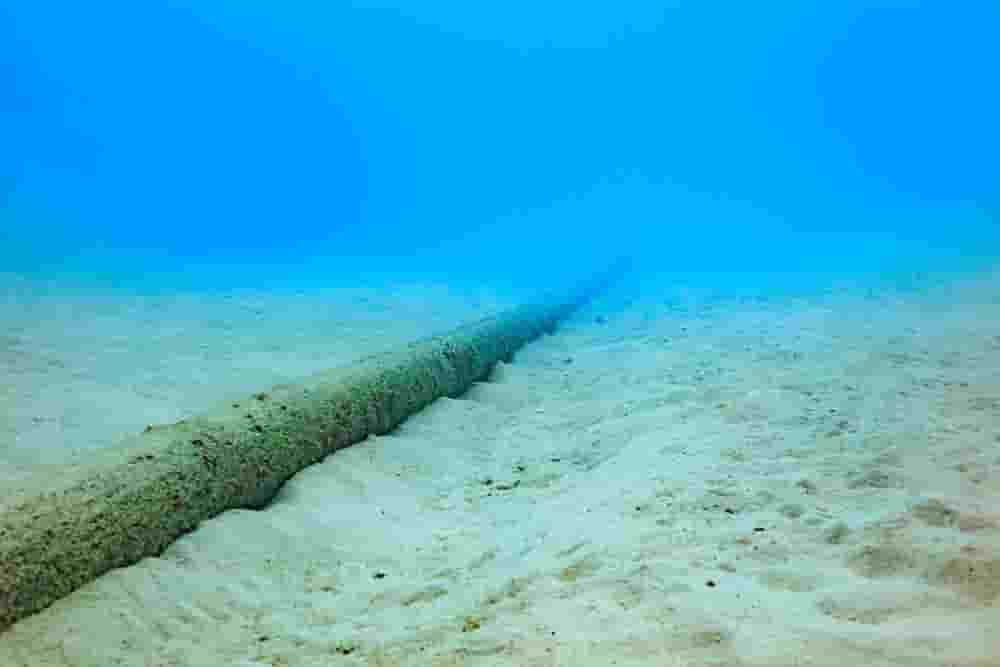
The first lesson is clear: floating wind works. Early demonstration projects have shown that turbines mounted on floating platforms can reliably generate power, even in harsh conditions. However, these projects also revealed the technical complexity of mooring systems, dynamic cables, and platform stability. Each component must be designed to withstand years of marine stress, which has driven innovation but also highlighted the need for robust testing and standardization.
Cost Reduction: The Challenge Ahead
Another takeaway is the importance of driving down costs. While fixed-bottom offshore wind has achieved remarkable price drops, floating wind remains expensive. Early projects highlighted that scale is critical to competitiveness. Small demonstration farms carried high costs per megawatt, but they proved the technology could work. Now, the focus is on scaling up to commercial projects that can unlock economies of scale and attract sustained investment.
Supply Chain and Infrastructure: Bottlenecks to Overcome
Europe’s pilot projects also exposed bottlenecks in the supply chain. Floating platforms require specialized port facilities, heavy-lift equipment, and tailored logistics. Limited availability of such infrastructure has slowed deployment and increased costs. The lesson here is that building a resilient supply chain complete with skilled workers and adaptable manufacturing facilities is just as important as advancing turbine technology.
Policy and Regulation: The Need for Stability
Policy frameworks have played a decisive role in floating wind’s progress. In countries like the UK and France, subsidies, auctions, and permitting processes have made early projects possible. However, uncertainty in regulation or delays in permitting can jeopardize progress. Europe’s experience underscores the need for clear, stable, and long-term policies to give developers the confidence to invest at scale.
Collaboration and Knowledge Sharing
Perhaps one of the most important lessons has been the value of collaboration. Early floating wind projects brought together governments, utilities, technology firms, and research institutions. This ecosystem approach helped overcome technical and financial hurdles while ensuring lessons were shared across borders. The model of collective learning is one that other regions can adopt as they move into floating wind development.
Takeaway Point: Europe’s early floating wind projects have proven the technology is feasible but also highlighted challenges in cost, supply chains, and regulation. The key lesson is that scaling up supported by stable policy, infrastructure investment, and collaboration will be crucial to unlocking floating wind’s global potential.
Learn more on our website: https://www.leadventgrp.com/event/6th-annual-floating-wind-europe/register
For more information and group participation, contact us: [email protected]
Leadvent Group - Industry Leading Events for Business Leaders!
www.leadventgrp.com | [email protected]






Comment