

Floating Solar: Unlocking New Space for Clean Power
As the global demand for clean energy grows, countries and developers are searching for new ways to generate electricity without competing for land. Floating solar photovoltaic systems installed on lakes, reservoirs, and other calm water bodies has quickly become one of the most promising solutions. Beyond its technical innovation, floating solar represents a practical and thoughtful response to the world’s energy and environmental challenges.
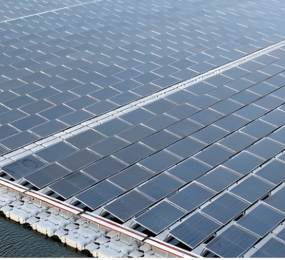
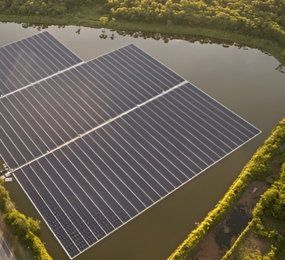
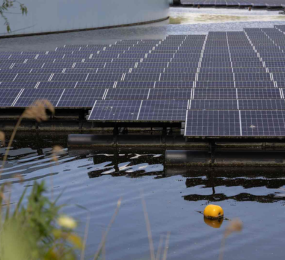
The idea is simple: instead of placing solar panels on land, they are mounted on buoyant platforms that rest on water surfaces. But the impact is far more meaningful. For regions struggling with land scarcity, especially densely populated or agricultural areas, floating solar provides a much-needed alternative. It allows energy expansion without displacing farms, forests, or communities a balance that is becoming increasingly important in long-term planning.
One of the strengths of floating solar is its improved performance. Water naturally cools the panels, allowing them to operate more efficiently compared to traditional ground-mounted systems. In hot climates, this cooling effect can lead to noticeably higher energy output. At the same time, the shade from the installations can help reduce evaporation in reservoirs, protecting valuable water resources in areas facing drought or seasonal shortages.
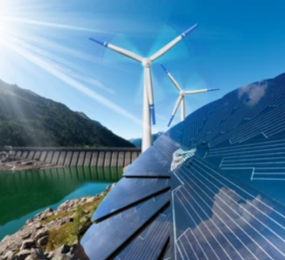
Floating solar is also proving to be a strong partner for hydropower. When installed on hydropower dams, both systems can complement each other solar generating power during sunny hours and hydropower balancing the supply during peak demand or cloudy periods. This combination creates a more stable and reliable renewable energy mix.
Communities are also benefiting economically. From construction and maintenance jobs to local supply chain opportunities, floating solar brings new work and investment. Governments are increasingly recognizing this potential, with several countries rolling out policies, incentives, and pilot projects that highlight their commitment to sustainable development.
Still, the technology is not without challenges. Engineering systems to withstand wind, waves, and long-term water exposure requires thoughtful design and strong materials. There are also ongoing studies on environmental considerations, such as how shading and anchoring might affect aquatic ecosystems. These questions are helping shape better, more responsible project standards for the future.
What makes floating solar compelling is not just its technical advantage but its strategic value. It provides a path for countries to expand renewable capacity even in
areas where land is limited or expensive. It supports climate goals without compromising agriculture, infrastructure, or community needs. And it reflects a growing mindset across the energy sector one that prioritizes innovation, efficiency, and sustainability in equal measure.
Floating solar is more than a new technology; it is a reminder of how creative solutions can open new doors for clean energy advancement.
Takeaway: Floating solar offers a practical and sustainable way to expand renewable energy, maximizing space, improving efficiency, and supporting climate goals without placing pressure on land resources.
Learn more on our website: https://www.leadventgrp.com/event/6th-annual-floating-solar-pv-forum/register
For more information and group participation, contact us: [email protected]
Leadvent Group - Industry Leading Events for Business Leaders!
www.leadventgrp.com | [email protected]




Comment