

Floating Solar PV: Expanding Clean Energy Beyond Land
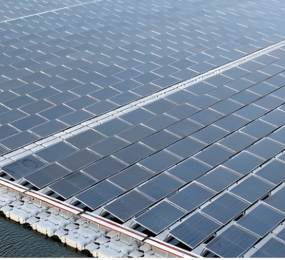
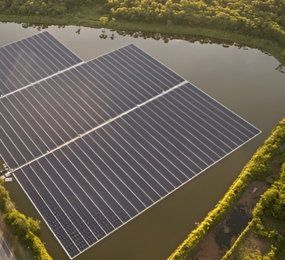
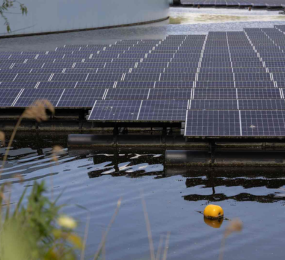
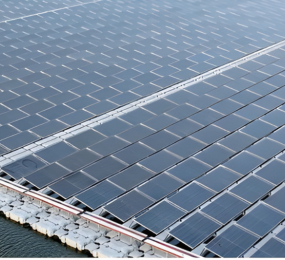
As the global demand for renewable energy accelerates, innovation is reshaping how we generate clean power. One of the most exciting solutions is floating solar photovoltaic (PV) systems, which place solar panels on reservoirs, lakes, and other water bodies instead of occupying valuable land. This approach is proving to be not only efficient but also a strategic answer to land-use challenges and climate concerns.
Why Floating Solar Matters
Land availability is one of the biggest barriers to large-scale solar deployment. In many regions, fertile farmland, urban expansion, and conservation needs compete for limited space. Floating solar solves this by using underutilized water surfaces. From agricultural reservoirs in Asia to hydropower dams in Africa, floating PV opens up vast new areas for clean energy generation without displacing communities or farmland.
Technical and Environmental Benefits
Beyond saving land, floating solar PV brings unique advantages:
1. Higher Efficiency: Water naturally cools solar panels, improving performance and extending their lifespan.
2. Reduced Evaporation: Panels shade water surfaces, lowering evaporation rates a valuable benefit in water-stressed regions.
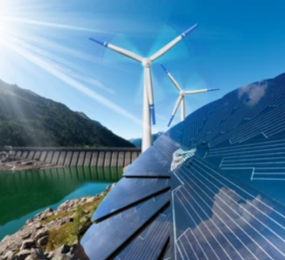
3. Synergy with Hydropower: When paired with hydropower plants, floating solar provides a complementary power source, stabilizing electricity supply and maximizing grid reliability.
These advantages make floating PV especially appealing in regions facing both energy and water challenges.
Growing Global Momentum
The past decade has seen floating solar move from pilot projects to large-scale installations. Countries like China, Japan, and India have led the charge with projects spanning hundreds of megawatts. In Africa, floating solar is gaining attention as a way to boost renewable capacity without competing with agriculture. Europe and the United States are also exploring the technology, particularly on reservoirs and man-made lakes.
Investors are increasingly drawn to floating solar because of its scalability and potential to support national energy transitions. According to industry estimates,
global floating solar capacity could reach hundreds of gigawatts in the coming decades, representing a major contribution to clean energy goals.
Challenges Ahead
Despite its promise, floating solar is still an emerging technology. Installation and maintenance on water require specialized engineering, and costs remain higher than traditional land-based systems. Environmental concerns, such as impacts on aquatic ecosystems, must also be carefully managed. However, as more projects are deployed and lessons learned, costs are expected to decline, and best practices will continue to evolve.
A Glimpse into the Future
Floating solar PV illustrates how creativity and necessity can drive progress. By turning water surfaces into clean energy hubs, it provides a pathway to sustainable growth while easing pressure on land resources. As technology advances and adoption grows, floating solar is poised to play a crucial role in achieving global renewable energy targets.
Takeaway Point: Floating solar PV is more than an alternative to land-based solar—it is a smart, efficient, and scalable solution that addresses land scarcity while boosting clean energy generation. With global momentum building, it is set to become a cornerstone of the renewable energy transition.
Learn more on our website: https://www.leadventgrp.com/event/6th-annual-floating-solar-pv-forum/register
For more information and group participation, contact us: [email protected]
Leadvent Group - Industry Leading Events for Business Leaders!
www.leadventgrp.com | [email protected]




Comment