

Green Hydrogen: Unlocking the Future of Clean Energy
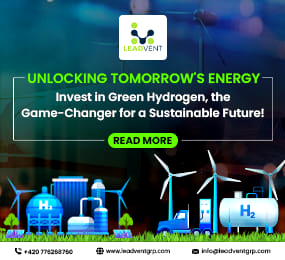
The conversation around clean energy is rapidly shifting from potential to practicality, and at the center of this transition stands green hydrogen. Produced by using renewable electricity to split water into hydrogen and oxygen, green hydrogen offers a sustainable alternative to fossil fuels. It is gaining momentum as countries and industries search for scalable solutions to reduce carbon emissions while supporting economic growth.
Why Green Hydrogen Matters
Hydrogen itself is not new, it has long been used in refining, fertilizer production, and chemical industries. What makes green hydrogen different is its carbon-free production process. Unlike gray or blue hydrogen, which rely on natural gas or other fossil fuels, green hydrogen is derived entirely from renewable energy sources such as wind, solar, or hydropower. This makes it one of the most promising tools for decarbonization.
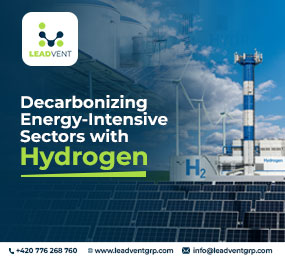
In industries that are notoriously difficult to electrify, such as steelmaking, shipping, and aviation green hydrogen provides a pathway to deep emission cuts. It can also serve as a storage medium for renewable energy, balancing supply and demand in power grids where solar and wind are intermittent.
Global Momentum and Investment
Countries across Europe, Asia, and the Middle East are making significant investments in green hydrogen infrastructure. Ambitious projects are underway to build electrolysis plants, establish hydrogen corridors for transport, and integrate hydrogen into industrial processes. For example, Europe’s Hydrogen Strategy targets widespread adoption to meet its climate neutrality goals by 2050, while nations like Japan and South Korea see hydrogen as central to energy security and competitiveness.
Private investment is also accelerating. Major energy companies and technology firms are forming partnerships to scale up production and bring down costs. As the price of renewable electricity continues to fall, the economic case for green hydrogen becomes stronger.
Challenges on the Road Ahead
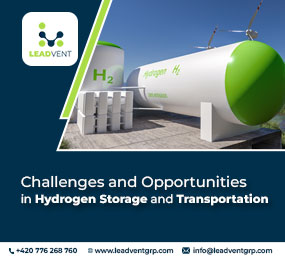
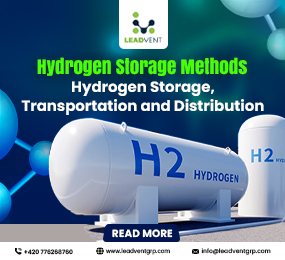
Despite its promise, green hydrogen faces hurdles. The technology for large-scale electrolysis is still expensive, and infrastructure for transport and storage is limited. Building a full value chain from production to distribution requires coordinated policy,
financing, and international cooperation. Without these, adoption may remain fragmented and slow.
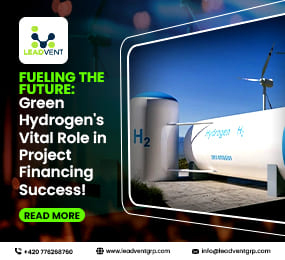
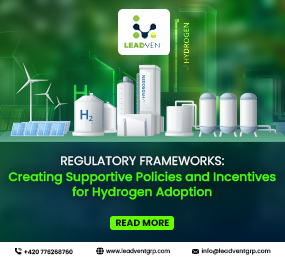
Governments and industry leaders are addressing these barriers by offering subsidies, supporting pilot projects, and creating regulatory frameworks to encourage private sector participation. Over time, economies of scale and technological innovation are expected to reduce costs, much like what has happened with solar and wind power.
The Bigger Picture
Green hydrogen is more than just an energy source; it is a symbol of the shift toward a low-carbon future. It represents an opportunity to decarbonize heavy industry, create new jobs, enhance energy security, and position economies at the forefront of the clean energy race. For regions rich in renewable resources, it also opens the door to becoming global exporters of green energy.
Takeaway Point: Green hydrogen is not a distant vision, it is a practical pathway to achieving net-zero goals. With the right mix of investment, innovation, and collaboration, it has the potential to reshape industries and power a cleaner, more resilient global economy. Learn more on our website: https://www.leadventgrp.com/event/10th-edition-cee-hydrogen-summit/register For more information and group participation, contact us: [email protected] .
Leadvent Group - Industry Leading Events for Business Leaders!
www.leadventgrp.com | [email protected]








Comment