

E-Fuels: Powering a Cleaner Energy Future
As the world pushes forward in the fight against climate change, the search for cleaner and more sustainable energy solutions has become urgent. Among the promising innovations gaining momentum are e-fuels synthetic fuels produced using renewable energy sources. E-fuels offer a pathway to decarbonize industries that are difficult to electrify, bridging the gap between current infrastructure and future sustainability goals.
What Are E-Fuels?
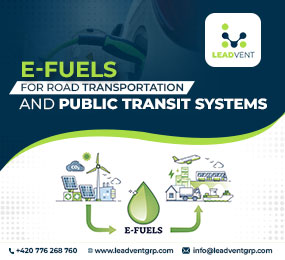
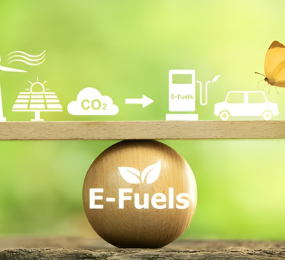
E-fuels, or electrofuels, are produced by combining hydrogen generated through renewable-powered electrolysis with carbon dioxide captured from the atmosphere or industrial processes. The result is a liquid or gaseous fuel that can directly replace fossil fuels in engines, ships, and aircraft.
What sets e-fuels apart is their compatibility with existing infrastructure. Unlike hydrogen or battery-electric systems that require significant new investments, e-fuels can be used in today’s internal combustion engines, pipelines, and fuel stations. This makes them a practical and scalable option in the global transition to clean energy.
A Bridge for Hard-to-Decarbonize Sectors
Certain industries, such as aviation, shipping, and heavy-duty transport face significant hurdles in electrification due to energy density requirements. E-fuels step in as a powerful alternative, offering the performance of conventional fuels while drastically cutting carbon emissions. For aviation in particular, e-fuels can complement sustainable aviation fuels (SAF) by providing additional pathways to meet net-zero targets.
Challenges on the Road Ahead
Despite their potential, e-fuels are not without challenges. The production process is energy-intensive and costly, primarily because it relies on renewable electricity. Current production volumes remain low, and scaling up will require large investments in renewable energy capacity, carbon capture technology, and new production facilities.
Policy support is also crucial. Incentives, subsidies, and clear regulatory frameworks will play a vital role in making e-fuels cost-competitive and accessible to global markets. Without this, their adoption risks being limited to niche applications rather than mainstream energy solutions.
Wider Benefits Beyond Decarbonization
E-fuels do more than just reduce emissions. They present opportunities for energy security by reducing dependence on imported fossil fuels. For countries rich in renewable resources such as wind or solar e-fuel production could create new industries, jobs, and export opportunities. Additionally, integrating carbon capture into the process strengthens circular economy practices by reusing emissions that would otherwise contribute to global warming.
Looking to the Future
E-fuels are still in the early stages of development, but their potential is undeniable. As renewable energy costs continue to decline and production technologies advance, e-fuels could become a cornerstone of the global clean energy mix. They offer a practical solution for today while keeping the door open for the energy systems of tomorrow.
Takeaway Point: E-fuels represent a vital tool in the journey toward net-zero emissions, especially for sectors where electrification is challenging. With the right policies, investment, and innovation, they can power a cleaner and more sustainable energy future.
Learn more on our website: https://www.leadventgrp.com/event/2nd-annual-world-e-fuels-summit/register
For more information and group participation, contact us: [email protected]
Leadvent Group - Industry Leading Events for Business Leaders!
www.leadventgrp.com | [email protected]













Comment