

Floating Wind: Unlocking Clean Energy in Deep Waters
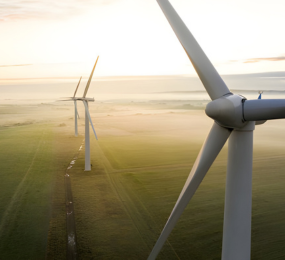
As the world searches for reliable ways to expand renewable energy, floating wind technology has stepped into the spotlight. Unlike traditional offshore wind turbines fixed to the seabed, floating wind turbines sit on buoyant platforms, allowing them to operate far from the shoreline where winds are stronger, steadier, and more consistent. This shift in design opens doors that previously remained out of reach—especially in regions with deep coastal waters.
Floating wind is more than an engineering breakthrough. It represents an opportunity to produce clean energy at scale while reducing land constraints and minimizing visual impact on coastal communities. With countries racing to meet ambitious climate targets, this technology is quickly becoming a vital piece of the global energy puzzle.
Why Floating Wind Matters Now
Global energy systems are undergoing significant change. Conventional fossil fuels are giving way to renewable power sources, yet the demand for electricity continues to grow. Many countries with limited shallow waters—such as Japan, South Korea, Spain, and parts of the U.S.—need a solution that can bridge this gap. Floating wind provides exactly that.
Strong winds in deep waters offer high power-generation potential. These sites often deliver more stable output compared to land-based turbines, which can be affected by terrain and weather patterns. By tapping into these wind-rich regions, floating wind farms can help diversify energy supplies and support national climate goals.
How Floating Wind Works
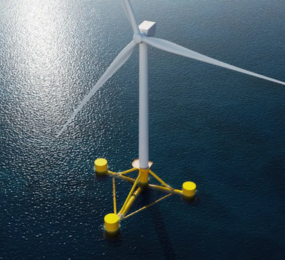
Floating wind turbines are mounted on platforms designed to stay stable in the open sea. Three main types of platforms dominate the industry:
1. Spar-buoy platforms: Long, narrow structures anchored deep below the water.
2. Semi-submersible platforms: Wider structures supported by multiple columns for stability.
3. Tension-leg platforms: Anchored by taut mooring lines that reduce movement.
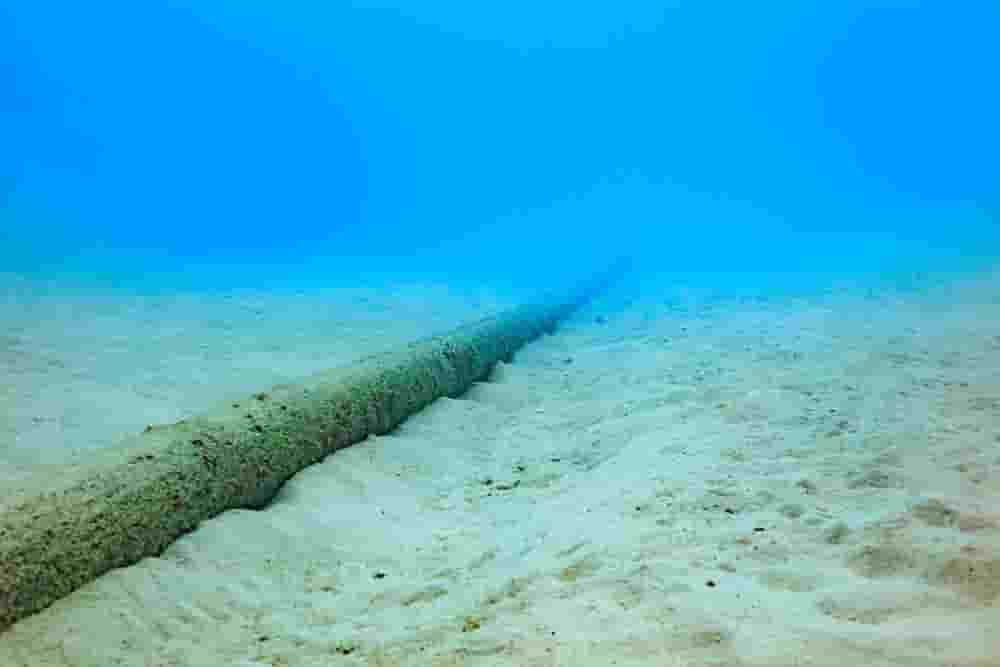
These designs allow turbines to operate safely in waters far deeper than fixed-bottom turbines. High-strength mooring lines connect them to the seabed, while dynamic cables transmit electricity back to shore.
The Growing Momentum
Though still young compared to traditional offshore wind, floating wind is gaining strong global momentum. Pilot projects in Europe and Asia have proven that the technology works and is capable of scaling. Governments are rolling out policies to encourage investment, while energy companies are committing to large-scale development.
The cost of floating wind is expected to fall as more projects move forward, supply chains mature, and technical lessons are shared. Similar cost reductions were seen with fixed offshore wind, which experienced dramatic price drops once deployment accelerated.
Challenges and Opportunities
Like any emerging technology, floating wind faces hurdles. These include high installation costs, complex engineering requirements, and the need for specialized vessels and infrastructure. Grid connections and permitting processes can also slow progress.
Yet the opportunities remain significant. Floating wind unlocks vast areas of ocean previously unusable for energy production. It offers environmental advantages by avoiding coastal seabed disturbance and reducing competition for land. Most importantly, it positions countries to strengthen their renewable energy portfolios with a dependable and scalable solution.
Takeaway Point
Floating wind is transforming what’s possible in offshore renewable energy. By extending wind power generation into deep waters, it offers nations a powerful way to expand clean electricity, strengthen energy security, and support long-term climate goals. Learn more on our website: https://www.leadventgrp.com/event/6th-annual-floating-wind-europe/register For more information and group participation, contact us: [email protected] .
Leadvent Group - Industry Leading Events for Business Leaders!
www.leadventgrp.com | [email protected]





Comment