

Floating Wind: Expanding the Horizon of Renewable Energy
As the world steps up efforts to transition to cleaner energy systems, offshore wind has steadily become one of the most reliable sources of large-scale renewable power. But traditional offshore wind farms are limited to shallow waters, leaving vast stretches of deeper oceans untapped. Floating wind technology is changing that picture.
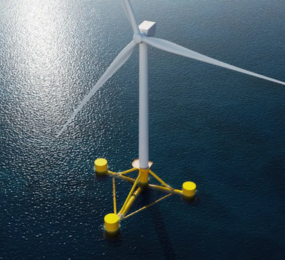
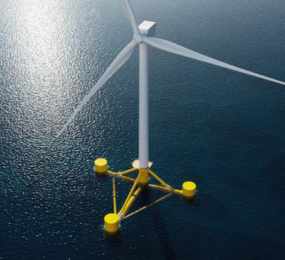
Floating wind allows wind turbines to be installed far beyond the continental shelf, where water depths are too great for fixed-bottom foundations. Instead of anchoring directly to the seabed, these turbines are mounted on buoyant platforms secured with mooring lines. This innovation opens access to stronger and more consistent winds, increasing energy output and expanding the possibilities for countries with deep coastal waters.
What makes floating wind especially valuable is its ability to provide clean electricity without competing for land space. Many regions face land-use constraints driven by agriculture, urban development, or conservation priorities. By moving wind generation offshore, floating systems ease the pressure on land resources while delivering high-capacity renewable energy.
The technology also encourages regional economic growth. Building and maintaining floating wind farms requires local expertise in marine engineering, shipbuilding, port infrastructure, and logistics. Communities near project sites can benefit from new jobs, training opportunities, and long-term service contracts. For many coastal economies, floating wind represents not just an environmental solution but an industrial opportunity.
One of the most appealing qualities of floating wind is its flexibility. Turbines can be positioned where wind resources are strongest, without the depth limitations that traditionally restricted offshore wind development. This enhances energy reliability and supports net-zero ambitions by integrating large volumes of renewable electricity into national grids.
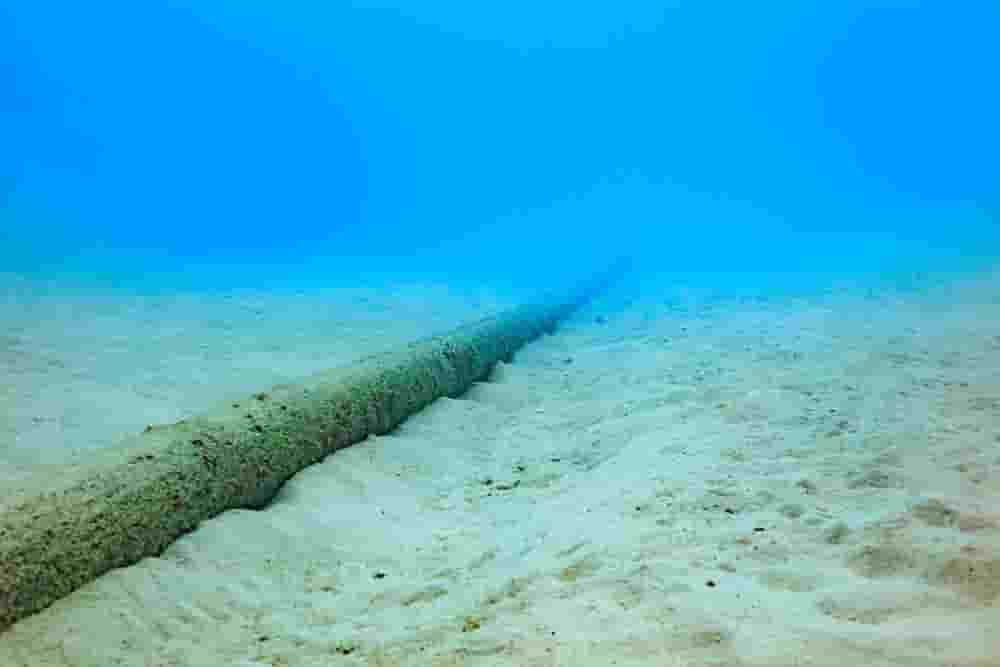
Despite its promise, floating wind still faces key challenges. Costs remain higher than fixed-bottom offshore wind due to the complexity of platforms and installation methods. Grid connections in deep waters require thoughtful planning, and environmental considerations—such as impacts on marine ecosystems—must be addressed responsibly. Even so, early projects in Europe and Asia have shown that costs are steadily declining as the technology matures and more developers enter the space.
Collaboration is essential for the global growth of floating wind. Governments, energy companies, research institutions, and maritime industries are working together to develop better platforms, streamline installation, and create favorable regulatory environments. These partnerships are accelerating learning curves and opening the door for large-scale projects that were once considered out of reach.
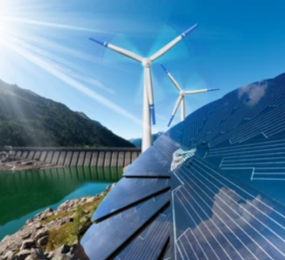
Floating wind carries significant potential to reshape the world’s clean energy landscape. By capturing powerful offshore winds and extending renewable generation into deeper waters, it complements solar, onshore wind, and hydropower—strengthening energy diversity and contributes to climate goals. As the technology progresses, floating wind is becoming not just a possibility but an increasingly practical and impactful solution.
Takeaway Point:
Floating wind expands renewable energy into deep waters, offering high-output, land-free power while creating new economic opportunities—making it a crucial contributor to a cleaner and more resilient global energy future.
Learn more on our website: https://www.leadventgrp.com/event/6th-annual-floating-wind-europe/register
For more information and group participation, contact us: [email protected]
Leadvent Group - Industry Leading Events for Business Leaders!
www.leadventgrp.com | [email protected]




Comment