

Floating Wind: Expanding Offshore Energy Opportunities
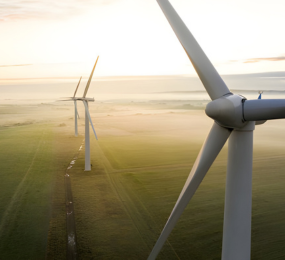
Wind power has long been recognized as one of the most reliable renewable energy sources, with offshore wind farms delivering large volumes of clean electricity to national grids. Traditionally, offshore wind turbines are installed on fixed foundations anchored to the seabed. However, this approach limits projects to relatively shallow waters. Floating wind technology is changing that reality by enabling turbines to operate in deeper offshore environments.
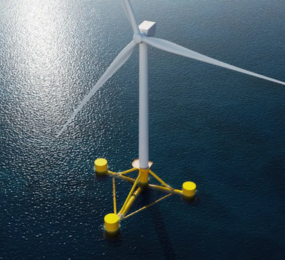
Floating wind turbines are installed on large buoyant platforms that remain stable on the ocean surface while being anchored to the seabed with mooring lines. These platforms allow turbines to generate electricity in waters that are far deeper than those suitable for conventional offshore wind installations. As a result, countries with deep coastal waters can now access vast wind resources that were previously difficult to harness.
One of the most compelling advantages of floating wind lies in the strength and consistency of wind resources found farther offshore. Winds over deeper ocean areas are typically stronger and more stable than those near the coast. This means floating wind turbines can produce more electricity and operate at higher efficiency levels compared to many onshore wind farms.
Another benefit is reduced visual impact. Because floating wind farms can be located farther from shore, they are less visible from coastal communities. This distance can also help address some of the concerns associated with traditional offshore wind projects, such as interference with coastal landscapes or tourism areas.
Floating wind platforms come in several designs, including spar-buoy structures, semi-submersible platforms, and tension-leg platforms. Each design is engineered to keep the turbine stable while allowing it to adapt to waves and ocean movements. Engineers carefully select the appropriate design based on local sea conditions, water depth, and wind patterns.
Despite its advantages, floating wind technology is still developing and faces certain challenges. Building turbines capable of withstanding harsh marine conditions requires sophisticated engineering and high-quality materials. Installation and maintenance activities are also more complex compared to fixed-bottom offshore wind farms.
Cost has been another consideration. Floating wind projects currently involve higher investment compared to established offshore wind technologies. However, industry experts expect costs to decrease as more projects are built and technological improvements are introduced. Increased global interest and government support are already accelerating development in this sector.
Several countries have begun exploring floating wind as part of their long-term renewable energy strategies. Nations with deep coastlines and strong offshore wind resources are particularly well positioned to benefit from the technology. As more pilot projects move into commercial operation, floating wind could significantly increase the global supply of renewable electricity.
The development of floating wind demonstrates how innovation continues to expand the possibilities for clean energy. By making deeper ocean wind resources accessible, the technology opens a new frontier for sustainable power generation while supporting global efforts to reduce carbon emissions.
Key Takeaway
Floating wind technology allows wind turbines to operate in deep offshore waters where wind resources are stronger and more consistent, offering a promising pathway for expanding large-scale renewable energy generation worldwide.
Learn more on our website: https://www.leadventgrp.com/event/6th-annual-floating-wind-europe/register
For more information and group participation, contact us: [email protected]
Leadvent Group - Industry Leading Events for Business Leaders!
www.leadventgrp.com | [email protected]





Comment