

Floating Wind: Expanding Offshore Energy Beyond the Shoreline
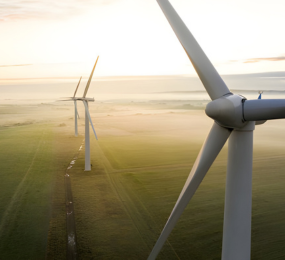
Offshore wind has become a major pillar of the global energy transition, but traditional offshore wind farms are limited by water depth. Fixed-bottom turbines work well in shallow seas, yet vast wind resources lie further offshore where waters are too deep for conventional foundations. Floating wind is designed to bridge this gap, opening new areas for clean energy development.
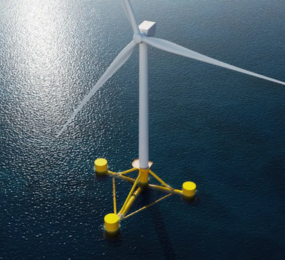
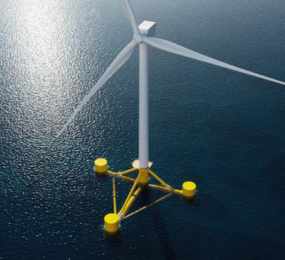
Floating wind turbines operate on platforms that are anchored to the seabed rather than fixed directly into it. These platforms, inspired by decades of offshore oil and gas engineering, allow turbines to remain stable even in deep waters and rough conditions. By moving wind generation farther from shore, floating wind projects can access stronger and more consistent wind speeds, improving overall energy output.
One of the key advantages of floating wind is flexibility in site selection. Many coastal regions have limited shallow waters or face challenges related to seabed conditions. Floating platforms make it possible to develop wind projects in locations that were previously unsuitable, including areas with steep continental shelves. This expands the potential for offshore wind in regions such as parts of Southern Europe, Asia, and the western coasts of Africa and the Americas.
Floating wind also offers practical benefits during construction and installation. Turbines can often be assembled and tested in port before being towed to their final location. This reduces offshore installation time and lowers certain operational risks. For coastal communities, this approach can create new opportunities for port activity, manufacturing, and skilled employment.
Environmental considerations are an important part of floating wind development. Projects located farther offshore tend to have less visual impact from land, which can ease public acceptance. At the same time, careful planning is required to minimize effects on marine ecosystems, fisheries, and shipping routes. Early engagement with stakeholders remains essential to successful project delivery.
Cost remains one of the main challenges facing floating wind. At present, floating projects are generally more expensive than fixed-bottom offshore wind. However, as more projects move from pilot stages to commercial scale, costs are expected to decline. Lessons learned from early developments are already improving platform design, mooring systems, and maintenance strategies.
Floating wind is still an emerging segment of the renewable energy market, but momentum is building. Governments are including it in offshore wind strategies, and
developers are investing in larger and more efficient platforms. As technology matures, floating wind is likely to play a critical role in meeting long-term energy and climate goals.
By unlocking deeper waters, floating wind extends the reach of offshore renewables and strengthens the case for a more diverse and resilient clean energy system.
Key Takeaway
Floating wind enables offshore renewable energy in deep-water locations, offering access to stronger winds and expanding clean power potential beyond the limits of traditional foundations.
Learn more on our website: https://www.leadventgrp.com/event/6th-annual-floating-wind-europe/register
For more information and group participation, contact us: [email protected]
Leadvent Group - Industry Leading Events for Business Leaders!
www.leadventgrp.com | [email protected]




Comment