

The Evolution of Marine Fuels: Steering the Shipping Industry Toward Sustainability
The global maritime industry, responsible for transporting over 80% of international trade, is undergoing one of its most transformative periods in history. As pressure mounts to reduce greenhouse gas emissions and comply with international climate targets, the focus has shifted to developing and adopting sustainable marine fuels. This transition is not just about meeting regulations, it’s about redefining how the shipping sector powers global commerce.
For decades, heavy fuel oil dominated the maritime landscape. It was cheap, reliable, and energy-dense, but it came at a high environmental cost. The International Maritime Organization’s (IMO) 2020 sulfur cap marked a pivotal moment, forcing ship operators to seek cleaner alternatives. The journey since has been one of innovation, collaboration, and hard choices between performance, cost, and sustainability.
Charting the Path: Emerging Fuel Alternatives
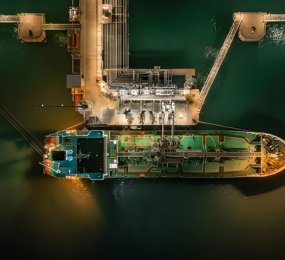
A diverse mix of cleaner fuels is shaping the industry’s path toward decarbonization. Liquefied Natural Gas (LNG) has been one of the early front-runners, offering lower emissions compared to traditional fuel oils. However, it is still a transitional solution rather than a long-term fix.
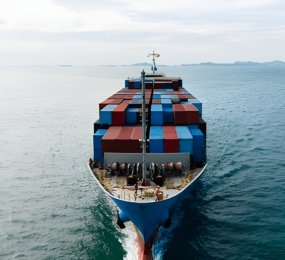
Methanol and ammonia are now gaining traction as future-ready options, thanks to their potential for carbon neutrality when produced from renewable sources. Methanol is already being trialed on large container ships, with major shipping lines investing in retrofitting and new builds designed to operate on this cleaner fuel. Ammonia, on the other hand, presents opportunities for zero-carbon shipping but poses challenges related to toxicity and storage.
Hydrogen also holds promise, particularly for smaller vessels and short-sea shipping, though scalability and infrastructure remain major obstacles. Meanwhile, biofuels continue to play a bridging role, allowing existing engines to operate with minimal modification while reducing lifecycle emissions.
Challenges at Sea: Infrastructure and Regulation
Transitioning to sustainable marine fuels requires more than just technological advancement. It demands a complete overhaul of global refueling infrastructure, regulatory frameworks, and economic incentives. Port facilities around the world are beginning to adapt, but progress remains uneven.
The cost of new fuels and the uncertainty surrounding future regulations have left many operators cautious. Collaboration between governments, shipowners, fuel producers, and technology providers is essential to align investments and create a stable environment for innovation to thrive
Takeaway:
The future of marine fuels lies in a delicate balance between innovation, economics, and environmental responsibility. As the maritime sector sails toward net-zero emissions, no single fuel will define the journey. Instead, it will be a combination of solutions from methanol and hydrogen to biofuels and synthetic blends guided by smart policy, global cooperation, and technological adaptability.
The transformation of marine fuels represents more than a technical challenge; it is a defining moment for global trade. Those who embrace this change early will not only reduce emissions but also gain a strategic edge in the sustainable shipping era ahead.
Learn more on our website: https://www.leadventgrp.com/event/world-sustainable-marine-fuels-forum/register
For more information and group participation, contact us: [email protected]
Leadvent Group - Industry Leading Events for Business Leaders!
www.leadventgrp.com | [email protected]














Comment