

World Sustainable Marine Fuel: Turning the Tide for a Cleaner Ocean Future
Shipping moves about 90% of the world’s trade, yet it contributes nearly 3% of global greenhouse gas emissions. As industries and governments push toward decarbonization, the maritime sector faces a defining challenge and opportunity to sail into a more sustainable future. At the heart of this transition lies sustainable marine fuel, a key solution poised to reshape how we power the global shipping industry.
For decades, marine vessels have relied on heavy fuel oil, one of the dirtiest fossil fuels. The result? A significant environmental toll, from carbon emissions to ocean pollution. But with growing international pressure, policy frameworks, and rising climate risks, the shift toward cleaner fuels is no longer a discussion it’s a necessity.
What Makes Marine Fuel Sustainable?
Sustainable marine fuels refer to alternatives that drastically reduce emissions compared to conventional marine oil. These include biofuels, green methanol, ammonia, hydrogen, and synthetic fuels derived from renewable energy sources. Unlike traditional fuels, they offer a pathway toward achieving net-zero emissions, especially when coupled with carbon capture or onboard energy efficiency measures.
However, sustainability goes beyond emissions. The production, sourcing, and lifecycle of these fuels must also be socially responsible ensuring minimal land competition with food production, responsible use of freshwater, and ethical labor practices.
Momentum on the Water
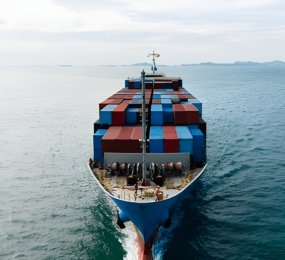
The shift to sustainable marine fuels is no longer hypothetical. Leading global ports are already adapting infrastructure for alternative fuels. Shipping giants like Maersk have begun ordering vessels capable of running on methanol. Pilot programs across Europe, Asia, and North America are demonstrating the real-world viability of these fuels even for long-haul ocean travel.
Still, challenges remain. The cost of sustainable fuels is high, infrastructure is limited, and global standards are still evolving. Without a clear regulatory framework and strong investment, the pace of adoption could slow, risking climate targets.
A Call for Global Collaboration
The path to sustainable marine fuel requires collective action—from governments, fuel producers, shipowners, ports, and logistics stakeholders. Policies like carbon
levies on fossil fuels, incentives for greener fleets, and clear emission reduction mandates from organizations like the IMO (International Maritime Organization) are essential in setting the pace.
Moreover, developing nations must not be left behind. Equity in technology transfer, funding, and access to sustainable fuel markets must be part of the conversation, especially for countries that depend heavily on maritime trade.
Takeaway Point:
Sustainable marine fuel is more than a technological fix it’s a shared global commitment to cleaner seas and a more responsible shipping industry. To truly set sail on this course, the maritime world must unite behind innovation, equity, and policy that puts the planet first.
Learn more on our website: https://www.leadventgrp.com/event/world-sustainable-marine-fuels-forum/register
For more information and group participation, contact us: [email protected]
Leadvent Group - Industry Leading Events for Business Leaders!
www.leadventgrp.com | [email protected]














Comment