

What is the role of electricity interconnectors?
Countries around the world are wisely focusing on achieving their climate goals and improving energy independence. The electricity interconnector is an essential piece of infrastructure that enables significant changes in the flow of electricity between countries. An electricity interconnector is a high-voltage bridge that connects two separate electric power grids in neighboring provinces/states or countries.
The next generation of this cable technology will enable countries to trade electricity, support one another under energy constraints, and promote extensive use of low and zero-carbon energy. Moving faster toward cutting carbon emissions to zero has made these connections one of the most important investments today.
How These Systems Keep the Lights On
Trading Energy and Integrating Markets
Electricity interconnectors connect power grids in other countries and create large markets that exchange electricity. When Spain generates a surplus of solar energy on sunny afternoons, these interconnectors move that power to cloudy locations in Northern Europe that need it. This system lets people access the cheapest electricity possible by pulling from a bigger variety of sources. As a result, energy prices go down for entire regions.
Keeping Grids Stable and Managing Demand
Power grids today often struggle to match electricity supply with what people need. The interconnection between grids acts like a backup system to help keep things balanced. If a country takes more power than predicted, or if a power plant unexpectedly goes offline, when there are interconnectors to nearby grids, again, it is possible to supply power through interconnectors. Interconnectors enable grid cooperation and create a more reliable electricity supply to millions of people.
Renewable Energy Integration
Electricity interconnectors can play an important part in enabling the type of uptake of renewable energy we see very little of. Wind turbines don’t produce energy without wind, and solar farms don’t produce energy after the sun goes down. Interconnected systems allow countries to share renewable energy among them, and offset time zones, as well as the variable weather taken into account when trying to relieve the unpredictability of renewable sources of energy.
Tools Driving Energy Movement Between Countries
Submarine Power Cables
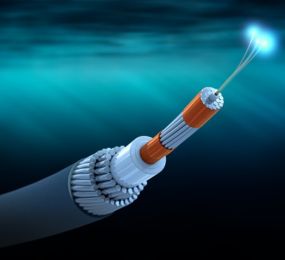
Some of the most striking electricity interconnectors lie under the oceans worldwide, using HVDC technology to transmit large amounts of electricity over long distances. Projects like the UK-France interconnector and the operational Viking Link between the UK and Denmark showcase impressive engineering that enables energy trade.
Authorities have approved five more offshore interconnector projects set to start working by 2032, which will increase Europe's shared energy capacity.
Offshore Hybrid Assets
The newest advancement in electricity interconnection blends standard interconnectors with offshore wind transmission into single setups. Known as Offshore Hybrid Assets, these projects mark a breakthrough in infrastructure, enabling nations to use offshore wind energy and grid links through combined systems.
Large Shifts for Economies and the Environment
Electricity interconnection does more than just help with energy trading. Countries with strong interconnector systems tend to experience reduced electricity costs. This happens because there is stronger competition and access to more types of energy sources. The financial effect is major. Consumers spend less on energy, and nations cut down on relying on costly backup power options.
Considering the environment, electricity interconnectors play a key role in helping the world shift toward clean energy. Countries exchange renewable energy, which lowers the need for fossil fuel-based backup power. As an example, the UK aims to generate at least 90% of its electricity from low-carbon energy sources by 2030, and this goal depends on having a wide network of interconnectors.
The advantages of energy security are just as important. Nations with a mix of interconnectors face fewer risks of supply interruptions. They can also keep electricity flowing during natural disasters or political tensions.
Navigating Present-Day Challenges
Even with their huge potential, electricity interconnectors deal with tough challenges. Technical issues show up when managing unstable grids as more renewable energy gets added. Building submarine power cables that can handle long distances under tough ocean conditions requires complicated engineering.
Countries also struggle to align regulations, and raising the large amounts of money needed for these big projects remains difficult. But improvements in HVDC technology and increased political backing for electricity interconnections keep pushing efforts ahead.
Future for Connected Energy Systems
Electricity interconnectors act as more than just wires and substation equipment. They form the core of a future powered by clean energy where renewable supplies can move across countries and continents. As many nations set ambitious goals to reduce carbon emissions, electricity interconnection will play an even bigger role.
Efforts to improve these important systems are clear in events like Leadvent Group's 5th Annual Submarine Power Cable and Interconnection Forum. This event brings together the leading experts, legislators, and innovators to address tough challenges related to cross-border energy connections. Events like this are instrumental in initiating innovation and partnerships that will develop the next generation of interconnected energy networks.
Frequently Asked Questions (FAQs)
How is an electricity interconnector different from standard transmission lines?
Electricity interconnectors handle cross-border energy trading between nations. They use high-voltage tech and follow international rules. Regular transmission lines work within a single country's grid.
What is the process behind submarine electricity interconnectors?
Submarine interconnectors rely on HVDC systems to move electricity through cables on the ocean floor. They change AC power into DC for better long-distance transfer, then switch it back to AC afterward.
How does electricity interconnection help consumers?
Consumers see lower energy bills, better reliability in supply, and more options to use cleaner energy. This happens because different regions share resources and compete more.
What obstacles slow down the growth of electricity interconnectors?
Expanding interconnectors is difficult due to expensive initial costs, strict international regulations, technical problems with integrating grids, and challenges in laying long cables under the sea.











Comment