

The Foundation of Modern Energy Trading
The global shift toward renewable energy has created an unprecedented demand for cross-border electricity sharing. At the heart of this transformation lies a critical piece of infrastructure: the electricity interconnector. These massive underwater and overland cables are quietly revolutionizing how nations share power, with HVDC transmission technology making it all possible. Understanding how these systems work is essential for anyone involved in the modern energy landscape.
What Exactly is an Electricity Interconnector?
An electricity interconnector is essentially a high-voltage power cable that connects electrical grids between different countries or regions. Think of it as a highway for electricity, allowing power to flow seamlessly across borders. These interconnectors serve two primary purposes: enabling countries to trade electricity and providing backup power during emergencies or maintenance periods.
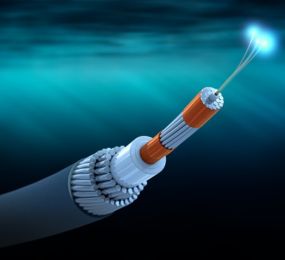
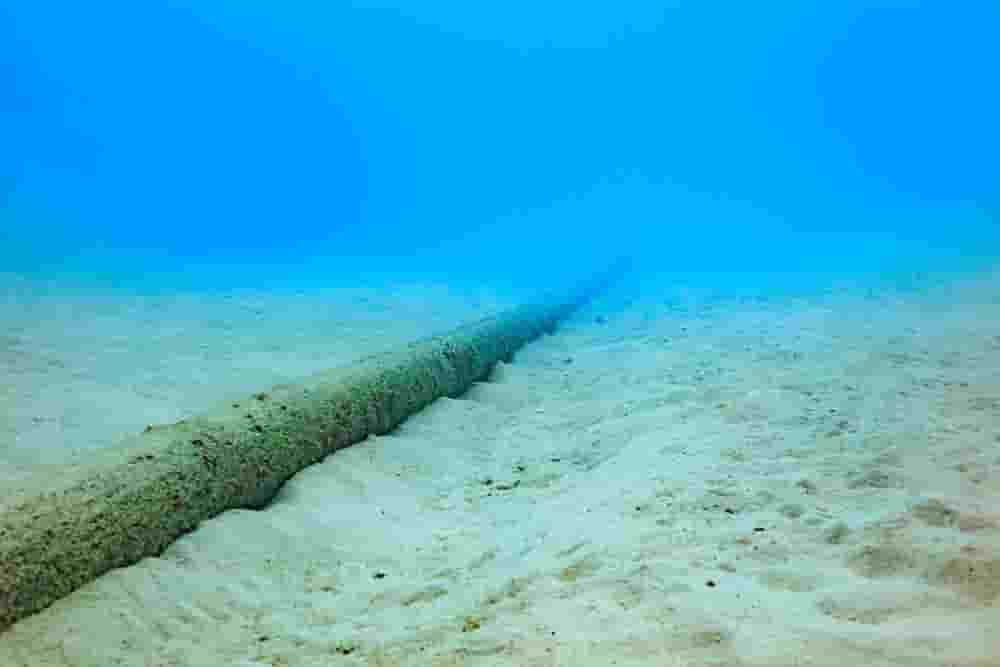
There are two main types of these: overhead transmission lines and submarine power cables. While overhead lines work well for land-based connections, submarine cables are the workhorses of international energy trading. Projects like the North Sea Link connecting Norway to the UK and the NorNed cable linking Norway to the Netherlands demonstrate the growing importance of underwater interconnections.
The power of long-distance electricity interconnectors comes from HVDC transmission technology. This system changes alternating current (AC) into direct current (DC) to transmit electricity over long distances.
Why HVDC Transmission is the Game Changer?
HVDC transmission plays a key role in modern-day electricity interconnectors, and there's a solid reason for it. Compared to the older AC transmission system, HVDC provides important advantages that make long-distance power transfer not just possible but also cost-efficient.
Reduced power loss over long distances is its biggest strength. While efficiency in AC transmission drops as cables extend, HVDC keeps energy losses low even across hundreds of kilometers. This makes it perfect for submarine applications where cables might stretch across entire seas.
The system operates using advanced converter stations. These stations change AC power from the national grid into DC for sending through transmission lines. At the other end, the DC power gets converted back into AC. Building these converter stations requires a large initial investment, but the energy efficiency over time makes the cost worthwhile.
HVDC systems run at voltages between 100 kV and 800 kV. UHVDC systems go beyond 800 kV to handle heavy loads.
The Multi-Faceted Benefits of Electricity Interconnectors
Electricity interconnectors bring advantages that go well beyond swapping power between regions. One main benefit is energy security. Interconnectors cut reliance on a single energy source by linking regions to a mix of power-generation options.
They also play a big role in keeping power systems stable. Interconnected grids balance load. If one country runs into high energy use or struggles with power generation, these grids step in and share electricity. This backup system keeps blackouts at bay and helps ensure power flows even during emergencies.
On the economic front, interconnectors open the door to more affordable electricity markets. Regions with plenty of renewable energy can sell their extra power, while areas with high demand can buy electricity without resorting to costly backup power solutions .
Looking ahead, these links play a key role in making renewable energy work better. If the wind stops blowing in the UK, the country can use hydroelectric power from Norway. On the flip side when Germany has extra solar energy, it can send that electricity to nearby countries where people need it more.
Notable Global Interconnector Projects Leading the Way
Some major projects show how amazing modern electricity interconnectors can be. The North Sea Link stretches 720 kilometers under the sea, connecting Norway and the UK, making it the world's longest submarine interconnector. It delivers 1,400 MW while letting the UK tap into Norway's vast hydroelectric power.
The NorNed cable stretches 580 kilometers linking Norway to the Netherlands. It provides 700 MW of capacity and stands as a strong example of how efficient energy trading can work across borders. At the same time, the EuroAsia Interconnector is set to push boundaries with its 1,520-kilometer length and impressive 2,000 MW capacity.
The Viking Link finished between Denmark and the UK, adds another 1,400 MW of power connectivity. This reflects a growing trend where projects aim to handle more energy and cover longer distances than before.
Overcoming Technical Challenges Through Innovation
Installing and looking after electricity interconnectors brings its own set of problems with undersea cables. Deep-sea setups demand specialized ships and careful route planning to steer clear of shipping routes, eco-sensitive zones, and existing structures.
Detecting and fixing cable faults underwater needs advanced tools and costly specialized gear. Repairs for issues far from shore, sometimes hundreds of kilometers out, can cost millions of pounds and might take months to finish.
Regulations and environmental factors make the process even harder. Companies have to meet strict environmental rules while working under different jurisdictions. Planning the cable routes helps lower the environmental harm and keeps the project possible.
The Future of Electricity Interconnectors
Electricity interconnectors are growing as the world shifts towards renewable energy. Newer projects are pushing limits in both how far they can span and how much power they can transfer. Better technology is allowing cables to go deeper and carry more electricity.
Linking offshore wind farms and floating renewable platforms marks a new step forward. Energy islands and combined systems built to generate and transmit power are shifting from ideas to being implemented. Advanced digital tools for monitoring and systems for predicting maintenance are set to boost reliability and cut costs.
Building Tomorrow's Connected Energy Future
Using HVDC transmission in electricity interconnectors is key to meeting global goals for energy security and renewable use. These advanced systems let countries share energy resources while making power networks tougher and more reliable. As changes in the sector grow, groups like Leadvent Group push forward knowledge by hosting events like the 5th Annual Submarine Power Cable and Interconnection Forum, where specialists gather to solve issues and spark breakthroughs in this important field.
Frequently Asked Questions
What's the difference between AC and DC transmission for interconnectors?
HVDC transmission works better for long-distance and underwater cables. It reduces power losses and avoids the distance limits found in AC systems.
How long can submarine these interconnectors be?
Current technology enables cables exceeding 1,500 kilometers, with projects like the EuroAsia Interconnector reaching 1,520 kilometers between continents.
Why are converter stations necessary for electricity interconnectors?
Converter stations change AC electricity to DC to send it over long distances . At the other end, they switch it back to AC to connect it to the local power grid.
What's driving the rapid growth in interconnector projects?
The push for renewable energy, demands to secure energy supplies, and the necessity to make grids more adaptable are driving a surge in investment in electricity interconnector systems


Comment