

The Electric Revolution Meets Safety Innovation
The automotive industry stands at a fascinating crossroads where electric mobility meets autonomous technology. As electric vehicles (EVs) become mainstream and self-driving capabilities advance, ensuring functional safety has never been more critical. This convergence brings unique challenges that require innovative solutions and industry-wide collaboration. Events like Leadvent Group's 3rd Annual Automotive Functional Safety Forum serve as vital autonomous vehicles conference platforms where experts tackle these complex safety challenges head-on.
Understanding Functional Safety in Electric Vehicles
Functional safety in electric vehicles goes further than regular car safety measures. It uses a planned method to make sure electrical and electronic systems work even if something goes wrong. The ISO 26262 standard, which was first made for traditional cars, now includes the special needs of electric powertrains.
Electric vehicles bring in high-voltage systems, advanced battery controls, and smart charging setups, unlike traditional fuel engines. These features introduce new risks that require thorough risk checks and ways to handle them. Important safety systems in EVs include:
- Battery thermal management systems to prevent overheating
- High-voltage protection circuits to prevent electrical shock
- Charging system safety protocols
- Emergency shutdown mechanisms
Electric and electronic systems in EVs are way more complex compared to those in regular cars. They need advanced safety methods to work, no matter the driving conditions.
Challenges and Solutions in EV Functional Safety
High-voltage systems present the most significant safety challenge in EVs. Battery packs operating at 400V or higher require robust isolation monitoring and fault detection systems. Thermal runaway prevention in lithium-ion batteries demands sophisticated monitoring algorithms that can predict and prevent dangerous temperature excursions.
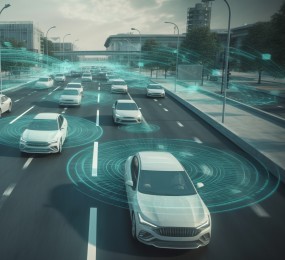
The integration with autonomous driving systems adds another layer of complexity. When EVs incorporate self-driving capabilities, the functional safety requirements multiply exponentially. Every sensor, actuator, and control unit must meet stringent reliability standards while maintaining seamless communication with the vehicle's safety-critical systems.
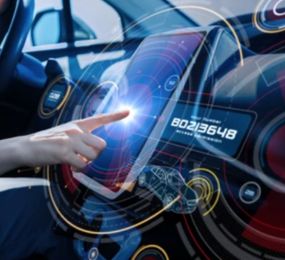
Cybersecurity now goes hand in hand with functional safety in connected electric vehicles. Today’s EVs operate like computers on wheels, exposing them to cyber risks that can interfere with safety systems. Tackling this overlap means making cybersecurity a key part of safety-focused design.
Companies already show progress in the real world. Tesla uses over-the-air updates to roll out software improvements across its vehicles, enhancing safety for its entire fleet. Brands like BMW and Mercedes have created backup safety systems that keep essential functions running if parts fail. Industry professionals often share these strategies during automated vehicle events to advance shared knowledge and innovation.
The Future of Safe and Sustainable Mobility
The blending of functional safety, cybersecurity, and sustainability is changing how cars are developed. SOTIF, or Safety of the Intended Functionality, introduces new standards to handle situations where systems work as designed but still pose risks. This becomes critical when dealing with autonomous electric vehicles navigating uncertain real-world conditions.
Regulators are updating rules faster to meet technology's rapid changes. The European Union plans to enforce stricter safety checks for automated vehicles, and the US and Asia are also working on similar plans. These shifts push the industry to adapt and share what it learns.
Simulation and digital twin tools are causing a revolution in how EV safety is tested. These virtual setups can mimic millions of driving situations to catch safety problems before building physical prototypes. This method cuts development costs and time while increasing safety.
Industry Leadership and Knowledge Sharing
Tackling the tough challenges of EV functional safety requires teamwork. One company alone cannot have the knowledge to solve every safety problem. Events like industry conferences and forums are key to sharing ideas and setting good practices.
Autonomous vehicle conferences gather safety engineers, regulatory experts, and tech innovators to exchange ideas and create new solutions. These events push innovation forward by encouraging teamwork across industries and removing barriers. The exchange of knowledge at such events often leads to breakthrough solutions that benefit the entire industry.
Building Tomorrow's Safe Mobility Ecosystem
Ensuring functional safety in electric vehicles is one of the toughest problems the auto industry faces right now. Achieving success means combining fresh innovations with strict safety rules. Ongoing learning and working together across the industry are essential for this balance.
Leadvent Group will host its 3rd Annual Automotive Functional Safety Forum on November 18-19, 2025. This event highlights the power of collaboration. More than 150 experts in safety and cybersecurity will gather to tackle urgent issues at the automated vehicle event. As a leader in organizing industry-focused conferences, Leadvent Group continues to facilitate the critical conversations that drive automotive safety forward. Join the conversation and be part of shaping the future of safe, sustainable mobility.
Frequently Asked Questions
What is ISO 26262, and why is it important for EVs?
ISO 26262 is the international standard for functional safety in automotive electrical and electronic systems. It provides a framework for managing safety risks throughout the vehicle development lifecycle, which is essential for EVs due to their complex electronic architectures.
How does functional safety differ between traditional vehicles and EVs?
EVs bring in high-voltage systems, advanced battery controls, and unique charging setups. These add new safety issues not found in traditional cars, which focus more on mechanical safety. EVs also need to deal with electrical dangers and heat regulation problems .
What role do industry conferences play in advancing EV safety?
Industry conferences provide a place to share knowledge, encourage teamwork among experts, and speed up the creation of safety standards and practices in the automotive world.







Comment