

Marine Fuels: Navigating the Transition Toward Cleaner Shipping
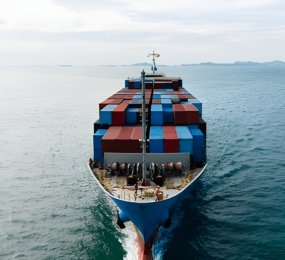
Global trade moves largely by sea. From crude oil and liquefied natural gas to food products and manufactured goods, maritime transport underpins the modern economy. At the center of this vast network is marine fuel the energy source that powers cargo ships, tankers, cruise liners, and offshore vessels across international waters.
Traditionally, ships have relied on heavy fuel oil (HFO), a residual product from crude oil refining. It has long been favored for its affordability and energy density, but it carries significant environmental implications. Combustion of high-sulfur marine fuels contributes to sulfur oxide (SOx) emissions, particulate matter, and greenhouse gases. As environmental awareness has intensified, regulatory frameworks have reshaped the marine fuel landscape.
The International Maritime Organization (IMO) introduced a major shift in 2020 by implementing a global sulfur cap of 0.5% on marine fuels, significantly lower than the previous limit of 3.5%. This regulation prompted shipowners to transition toward very low sulfur fuel oil (VLSFO), marine gas oil (MGO), or install exhaust gas cleaning systems, commonly known as scrubbers. The change marked one of the most substantial environmental reforms in shipping history.
Beyond sulfur reduction, the industry now faces the broader challenge of decarbonization. Shipping accounts for a meaningful share of global carbon emissions, and pressure is mounting to align maritime operations with international climate targets. As a result, alternative fuels are gaining attention.
Liquefied natural gas (LNG) has emerged as a transitional option. Compared to conventional fuels, LNG reduces sulfur emissions and can lower carbon dioxide output. However, methane slip and infrastructure costs remain concerns. Meanwhile, interest is growing in biofuels, methanol, ammonia, and hydrogen as potential long-term solutions. Each option presents distinct technical, safety, and economic considerations.
Methanol, for example, offers easier storage compared to LNG and is being adopted in select newbuild vessels. Ammonia, while carbon-free at combustion, requires careful handling due to toxicity concerns. Green hydrogen holds promise but demands significant investment in production and bunkering infrastructure. No single fuel has yet emerged as a universal replacement, underscoring the complexity of maritime decarbonization.
Operational strategies also play a role. Slow steaming reducing vessel speed can significantly cut fuel consumption and emissions. Hull design improvements, digital route optimization, and enhanced engine efficiency further contribute to lowering environmental impact.
Fuel transition in the maritime sector is not solely a technical issue; it is also financial. Shipowners must evaluate long asset lifecycles, fluctuating fuel prices, and evolving regulations when making investment decisions. Ports, fuel suppliers, and regulators must coordinate infrastructure planning to support emerging alternatives.
Marine fuels are no longer viewed only through the lens of cost and availability. They are now central to discussions about sustainability, regulatory compliance, and long-term industry resilience. As shipping adapts to new environmental expectations, the fuel choices made today will shape the trajectory of global trade for decades to come.
Key Takeaway
The future of marine fuels lies in balancing operational efficiency, regulatory compliance, and the gradual adoption of cleaner alternatives to support a more sustainable global shipping industry.
Learn more on our website: https://www.leadventgrp.com/event/world-sustainable-marine-fuels-forum/register
For more information and group participation, contact us: [email protected]
Leadvent Group - Industry Leading Events for Business Leaders!
www.leadventgrp.com | [email protected]









Comment