

Best Practices for Long-Term Reliability of Subsea Power and Communication Cables
As the global economy becomes increasingly dependent on intercontinental data exchange and offshore renewable energy, the reliability of subsea cable systems has moved from a technical requirement to a matter of national security. Ensuring the 25-to-40-year design life of these assets requires a holistic approach that integrates robust engineering, proactive monitoring, and strategic risk management.
Precision Engineering and Material Choice
The first best practice for long-term reliability is the selection of advanced materials tailored to specific subsea environments. For power cables, using High-Performance Thermoplastic Elastomers (HPTE) or DC-optimized XLPE insulation is essential to prevent electrical "treeing" and breakdown. Furthermore, radial water barriers—such as welded aluminum or lead sheaths—must be complemented by Galfan-coated steel armoring to resist the corrosive effects of saline environments and the mechanical stresses of deep-sea currents.
Proactive Monitoring with DFOS
The industry has moved beyond reactive "break-fix" models toward real-time structural health monitoring. The implementation of Distributed Fiber Optic Sensing (DFOS) is a critical best practice. By utilizing the optical fiber within the cable as a continuous acoustic and thermal sensor, operators can detect external threats, such as anchor drags or fishing gear interference, before a fault occurs. This early warning system allows for the immediate dispatch of guard vessels or the notification of maritime authorities, preventing the most common cause of subsea failures.
Strategic Burial and Route Optimization
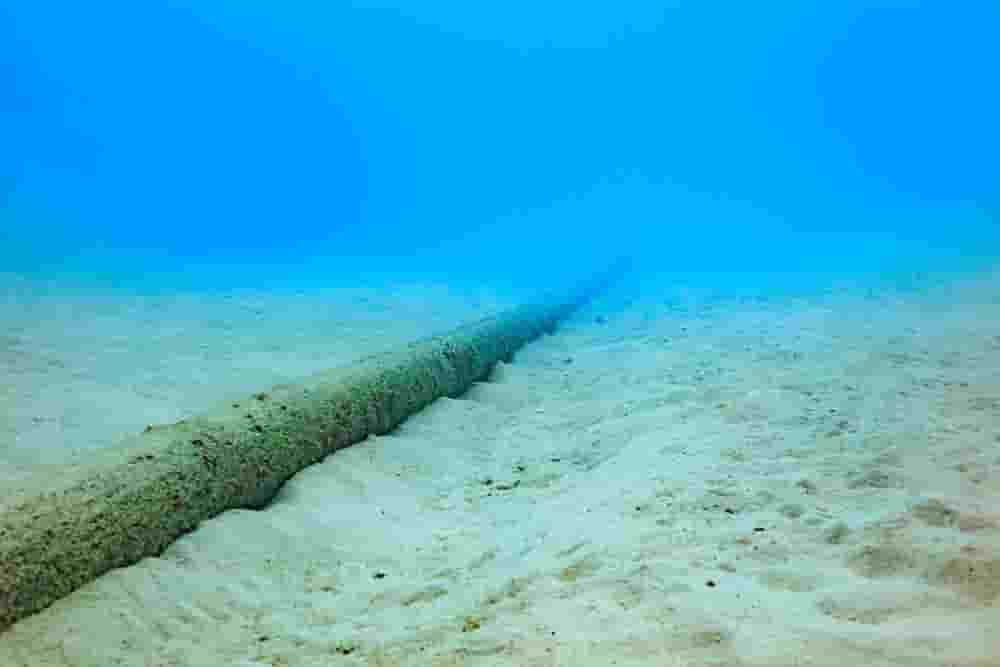
Physical protection remains the most effective defense against cable damage. Best practices dictate that cable routes must be optimized using high-resolution seafloor mapping to avoid rocky outcrops and seismic zones. Once a route is selected, precision burial via jet-trenching or mechanical plowing to a depth of at least 1.5 to 2 meters is necessary in high-traffic corridors. This ensures the cable is shielded from both human activity and the abrasive forces of sand waves.
Long-term reliability is the result of a "defense-in-depth" strategy. By combining material science innovations with real-time digital monitoring and rigorous physical protection, operators can ensure that subsea energy and data highways remain resilient for decades.
Visit our website to know more: https://www.leadventgrp.com/events/6th-annual-subsea-cable-installation-asset-management-reliability-forum/details
For more information and group participation, contact us: [email protected]
Leadvent Group - Industry Leading Events for Business Leaders!
www.leadventgrp.com| [email protected]



Comment