

Biogas as a Solution for Rural Electrification and Energy Access
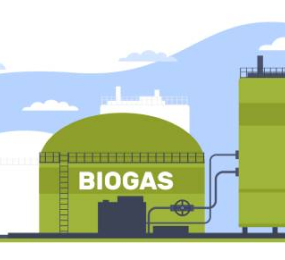
In the global effort to achieve universal energy access, traditional grid extension often fails to reach remote and low-density rural populations due to prohibitive infrastructure costs and geographical barriers. Biogas technology, powered by anaerobic digestion, has emerged as a transformative decentralized solution. By converting organic waste—such as livestock manure and crop residues—into combustible methane, rural communities can generate reliable electricity and clean thermal energy, bridging the energy gap while promoting agricultural sustainability.
Decentralized Power Generation
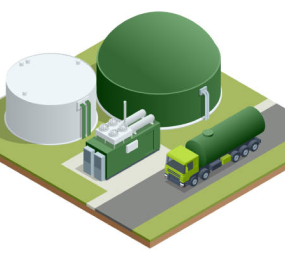
The primary advantage of biogas for rural electrification is its ability to operate independently of a national grid. Small-to-medium scale biogas digesters can be coupled with modified internal combustion engines or micro-turbines to produce consistent baseload power. Unlike solar or wind, which are intermittent and require expensive battery storage, biogas is "storable" in the form of gas. This allows for flexible power generation that can be dispatched during peak evening hours when residential demand for lighting and appliances is highest.
Socio-Economic and Health Benefits
Beyond electricity, biogas provides a critical alternative to traditional biomass (wood and charcoal) for cooking. In many rural areas, "energy poverty" forces households to spend hours collecting fuel, leading to deforestation and severe indoor air pollution. Transitioning to biogas stoves significantly reduces respiratory illnesses and frees up time for educational or economic activities. Furthermore, the byproduct of the digestion process, known as bio-slurry or digestate, is a nutrient-rich organic fertilizer. This allows farmers to increase crop yields and reduce expenditures on synthetic fertilizers, creating a virtuous cycle of food and energy security.
Overcoming Implementation Barriers
Despite its potential, scaling biogas requires addressing initial capital costs and technical training. Successful models in East Africa and Southeast Asia have utilized "pay-as-you-go" financing and community-led maintenance programs. When supported by local policy and technical capacity building, biogas systems transform agricultural waste from a sanitation liability into a high-value energy asset.
Biogas is a cornerstone of rural development. By providing a clean, renewable, and locally sourced energy stream, it empowers remote communities to transition from energy poverty to self-sufficiency, ensuring that the global energy transition is inclusive of the world’s most vulnerable populations.
Visit our website to know more: https://www.leadventgrp.com/events/2nd-annual-biogas-biomethane-world-summit/details
For more information and group participation, contact us: [email protected]
Leadvent Group - Industry Leading Events for Business Leaders!
www.leadventgrp.com [email protected]






Comment