

Sustainability and Environmental Impact of EV Charging Infrastructure
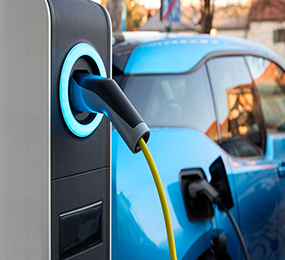
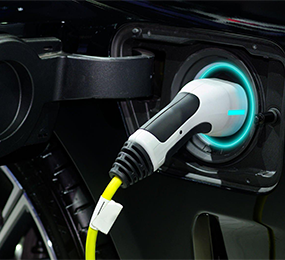
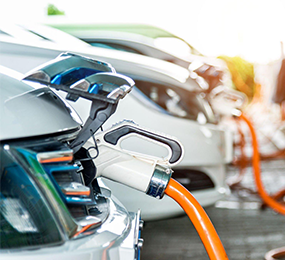
While electric vehicles (EVs) are celebrated for eliminating tailpipe emissions, the true environmental impact of the electric mobility transition depends heavily on the sustainability of the charging infrastructure. To achieve genuine decarbonization, the industry must look beyond the plug, addressing the carbon intensity of the energy source, the physical footprint of the hardware, and the circularity of the equipment’s lifecycle.
Green Energy Sourcing and Grid Impact
The primary environmental determinant of EV charging is the "upstream" energy mix. Charging an EV on a grid powered by coal yields significantly lower benefits than one powered by renewables. Consequently, a core sustainability practice is the integration of Renewable Energy Certificates (RECs) or direct on-site solar generation. Furthermore, "Smart Charging" plays a vital role by aligning vehicle charging with periods of peak renewable production. This not only reduces the carbon footprint per kilowatt-hour but also prevents the need for carbon-intensive "peaker plants" to balance sudden surges in demand.
Hardware Footprint and Sustainable Materials
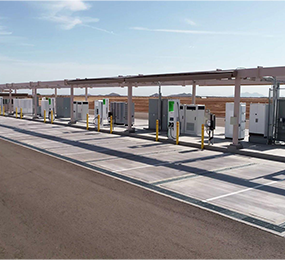
The physical construction of charging stations involves significant resource extraction, including copper for wiring, steel for housings, and rare-earth elements for power electronics. Sustainable infrastructure management now emphasizes the use of Post-Consumer Recycled (PCR) plastics and low-carbon aluminum for enclosures. Additionally, the industry is moving away from large concrete foundations in favor of "low-impact" modular bases that can be removed or relocated without permanently damaging the local soil or drainage patterns.
Circularity and End-of-Life Management
A truly sustainable charging network must be circular. This involves designing hardware for modular repair rather than total replacement. When a charger reaches its end-of-life, "Urban Mining" techniques allow for the recovery of high-value components. Moreover, the reuse of EV batteries in "Second-Life" stationary storage systems at charging hubs can buffer the grid and extend the utility of the battery’s initial carbon investment.
The sustainability of EV charging is a multi-dimensional challenge. By harmonizing green energy sourcing with circular hardware design, the charging sector can ensure that the infrastructure supporting the transport revolution is as clean as the vehicles it powers.
Visit our website to know more: https://www.leadventgrp.com/events/4th-annual-ev-charging-infrastructure-forum/details
For more information and group participation, contact us: [email protected]
Leadvent Group - Industry Leading Events for Business Leaders!
www.leadventgrp.com| [email protected]









Comment