

The Role of EV Charging Infrastructure in Smart Cities
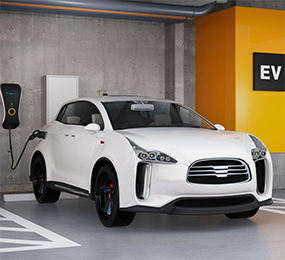
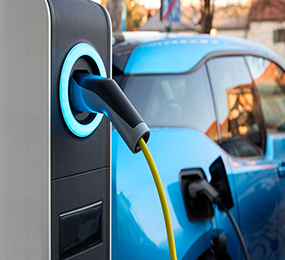
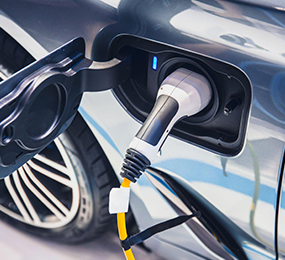
As urbanization accelerates, the concept of the "Smart City" has transitioned from a futuristic vision to a necessary urban strategy. Central to this evolution is the integration of Electric Vehicle (EV) charging infrastructure, which serves as more than just a refueling point. In a smart city, EV chargers act as critical data nodes and energy regulators, bridging the gap between sustainable transport and an intelligent power grid.
The Backbone of Urban Mobility
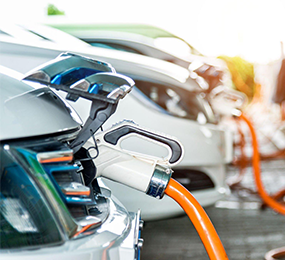
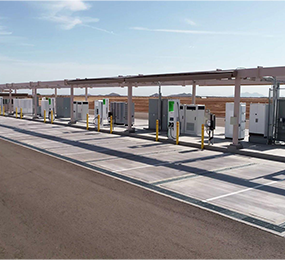
In a smart city, EV charging infrastructure is strategically deployed using Big Data. Urban planners utilize real-time traffic patterns, population density, and vehicle dwell times to optimize the placement of charging hubs. This ensures that infrastructure is available where it is needed most—such as multi-modal transit hubs and residential clusters—reducing "range anxiety" and encouraging the mass adoption of zero-emission vehicles. By integrating these chargers with public transit systems, cities can create a seamless, electrified mobility ecosystem that reduces both congestion and carbon emissions.
Energy Grid Stabilization and V2G
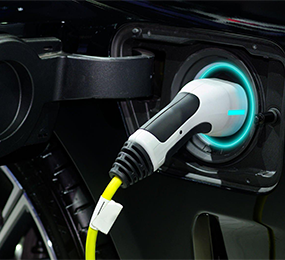
One of the most transformative roles of EV infrastructure is its ability to interact with the grid. Smart cities employ Vehicle-to-Grid (V2G) technology, turning parked EVs into a distributed battery system. During periods of high demand, intelligent chargers can draw power back from vehicle batteries to stabilize the local grid, preventing blackouts and reducing the need for fossil-fuel peaker plants. Conversely, during periods of high renewable energy production (such as a sunny afternoon for solar), these chargers can automatically increase their draw, effectively "storing" green energy in the city’s vehicle fleet.
Data-Driven Urban Intelligence
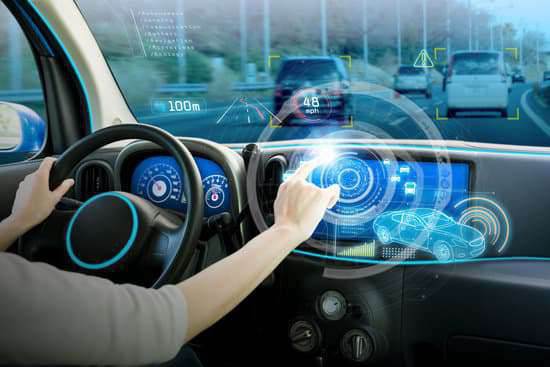
Modern EV chargers are equipped with IoT sensors that contribute to the city's "digital twin." These sensors monitor everything from energy consumption to local air quality and temperature. This data allows city officials to make informed decisions about infrastructure maintenance and environmental policy. Furthermore, by integrating charging apps with broader smart city platforms, users can receive real-time notifications about stall availability, dynamic pricing, and optimal charging times, fostering a more efficient and user-centric urban experience.
EV charging infrastructure is the nervous system of the smart city’s transport network. By harmonizing energy demand with renewable supply and providing critical urban data, these systems ensure that the cities of tomorrow are not only more connected but also profoundly more resilient and sustainable.
Visit our website to know more: https://www.leadventgrp.com/events/4th-annual-ev-charging-infrastructure-forum/details
For more information and group participation, contact us: [email protected]
Leadvent Group - Industry Leading Events for Business Leaders!
www.leadventgrp.com| [email protected]






Comment