

Integrating Renewable Energy Systems with Subsea Power Interconnections
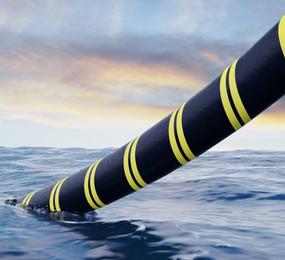
The global transition to a low-carbon economy relies heavily on the ability to transport renewable energy from remote areas of high production to urban centers of high demand. Subsea power interconnections have emerged as the critical infrastructure enabling this shift, allowing nations to share intermittent solar, wind, and hydroelectric power across vast oceanic distances. By linking diverse energy markets, these underwater "super-highways" provide the flexibility and stability required for a 100% renewable grid.
Balancing Intermittency and Geographic Diversity
The primary challenge of renewable energy is its inherent variability; the wind does not always blow, and the sun does not always shine in a single location. Subsea interconnections mitigate this by leveraging "geographic diversity." For example, the North Sea Link between the UK and Norway allows the UK to import Norwegian hydropower when domestic wind production is low, while Norway can import excess British wind energy to preserve its reservoir levels. This bidirectional flow essentially turns regional grids into a massive, collective battery, reducing the need for fossil-fuel-backed peaking plants.
Technical Foundations: HVDC Technology
The scaling of subsea interconnections is driven by High-Voltage Direct Current (HVDC) technology. Unlike Alternating Current (AC), which suffers from significant energy loss over long distances due to capacitance, HVDC allows for efficient power transmission over hundreds of miles with minimal leakage. Modern Voltage Sourced Converters (VSC) further enhance this by providing "black start" capabilities and reactive power support, which are essential for stabilizing grids that have high penetrations of non-synchronous renewable sources.
Economic and Strategic Value
Beyond technical stability, subsea links foster regional energy security and price convergence. By connecting isolated energy islands to larger continental markets, these projects lower the Levelized Cost of Electricity (LCOE) and reduce "curtailment"—the wasted energy produced when local supply exceeds demand. As offshore wind farms move further into deeper waters, these interconnections will evolve from point-to-point links into sophisticated "subsea hubs" or meshed offshore grids.
Integrating renewables through subsea interconnections is the definitive solution to the spatial and temporal mismatch of green energy. By bridging oceans, these cables ensure that clean energy is not just locally produced, but globally shared, forming the bedrock of a resilient and interconnected planet.
Visit our website to know more: https://www.leadventgrp.com/events/6th-annual-subsea-cable-installation-asset-management-reliability-forum/details
For more information and group participation, contact us: [email protected]
Leadvent Group - Industry Leading Events for Business Leaders!
www.leadventgrp.com| [email protected]






Comment