

Industrial-Scale Biogas Plants: Lessons from Global Case Studies
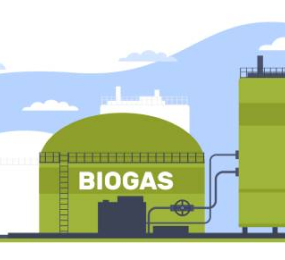
The global energy transition is increasingly looking toward the circular economy to solve the twin challenges of waste management and renewable energy production. Industrial-scale biogas plants have moved beyond the experimental phase, with global case studies from leaders like Denmark and Germany offering critical lessons for scaling anaerobic digestion (AD) into a foundational pillar of the modern energy grid.
The Lesson of Centralization
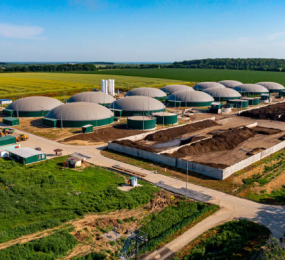
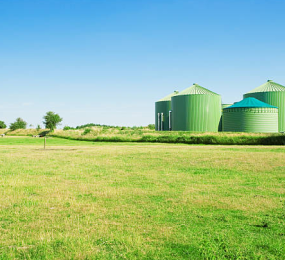
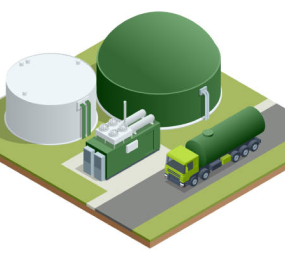
Denmark’s success provides the most significant lesson: the power of centralization. By shifting from small, on-farm digesters to massive, centralized facilities—such as those operated by Nature Energy—the industry has achieved unprecedented economies of scale. These plants aggregate manure from hundreds of surrounding farms and co-digest it with industrial food waste. This "hub-and-spoke" model professionalizes logistics, ensures a consistent feedstock mix, and allows for the high-cost installation of direct-to-grid biomethane injection points.
Feedstock Diversity and Process Stability
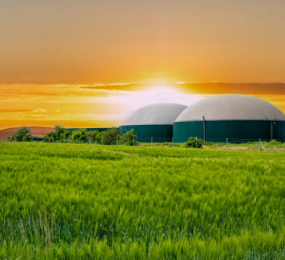
Global data suggests that feedstock diversity is the key to biological stability. Mono-digestion of a single crop (like maize) is vulnerable to price volatility and soil health concerns. In contrast, the German "Bioenergy Villages" model has evolved to utilize a mix of agricultural residues, energy crops, and organic municipal waste. This diversity acts as a buffer against process acidification and creates a more resilient microbial environment, ensuring the 24/7 "baseload" reliability that intermittent wind and solar cannot provide.
The Valorization of Digestate
A final lesson from the global stage is that biogas plants must be viewed as "biorefineries." The leftover material, or digestate, is no longer seen as a disposal problem but as a high-value bio-fertilizer. Advanced plants now use nutrient recovery technologies to extract nitrogen and phosphorus, creating standardized products that displace fossil-fuel-intensive synthetic fertilizers.
Scaling biogas requires a shift from viewing it as a waste-disposal tool to a sophisticated industrial process. By prioritizing logistics, feedstock diversity, and nutrient recovery, the global community can transform organic waste into a reliable, carbon-neutral asset.
Visit our website to know more: https://www.leadventgrp.com/events/2nd-annual-biogas-biomethane-world-summit/details
For more information and group participation, contact us: [email protected]
Leadvent Group - Industry Leading Events for Business Leaders!
www.leadventgrp.com [email protected]





Comment