

The Role of Biopolymers in Reducing Plastic Waste
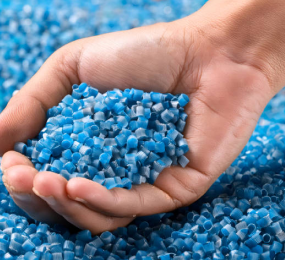
The global plastic crisis has reached a critical tipping point. With millions of tons of petroleum-based plastics clogging landfills and polluting oceans, the search for sustainable alternatives has led to the rise of biopolymers. Unlike traditional plastics derived from fossil fuels, biopolymers are polymers produced by living organisms or synthesized from renewable biomass like corn starch, sugarcane, and cellulose.
A Natural Solution to a Synthetic Problem
The primary advantage of biopolymers lies in their renewability and biodegradability. Traditional plastics, such as polyethylene, can persist in the environment for centuries. In contrast, many biopolymers, like Polylactic Acid (PLA) and Polyhydroxyalkanoates (PHA), are designed to break down into water, carbon dioxide, and organic matter when exposed to specific industrial or natural composting conditions.
Closing the Carbon Loop
Biopolymers contribute to a circular economy by significantly lowering the carbon footprint of manufacturing. Because the plants used to create these materials absorb $CO_2$ during their growth, the net greenhouse gas emissions are substantially lower than those of conventional plastic production. This "cradle-to-cradle" approach ensures that the material's end-of-life stage feeds back into the environment rather than poisoning it.
Challenges and the Path Forward
Despite their promise, biopolymers are not a "silver bullet." Challenges include:
- High Production Costs: Currently, bio-based materials are more expensive to produce than cheap, subsidized petroleum plastics.
- Infrastructure Requirements: Many bioplastics require industrial composting facilities to degrade effectively, which are not yet universally available.
- Land Use: Balancing food production with crop-based plastic feedstocks remains a valid ethical concern.
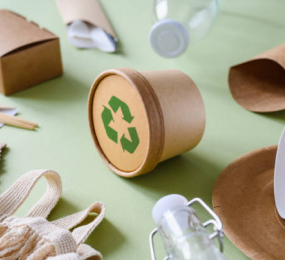
However, as technology scales and consumer demand for "green" packaging surges, biopolymers are becoming increasingly viable. By replacing single-use items—from cutlery to food wraps—with bio-based alternatives, we can drastically reduce the volume of persistent synthetic waste, moving toward a cleaner, more resilient planet.



Comment