

How Bioplastics Are Transforming the Packaging Industry
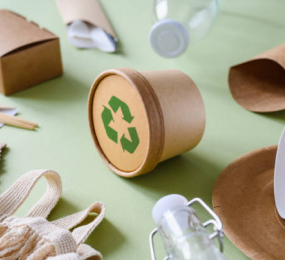
The global conversation around plastic pollution has reached a critical point, driving a major shift in the packaging industry toward more sustainable alternatives. At the forefront of this transformation are bioplastics, a diverse class of materials derived from renewable biomass sources, such as corn starch, sugarcane, or vegetable oils. These materials are fundamentally changing how products are packaged by offering a viable and eco-friendly alternative to conventional, petroleum-based plastics. The primary appeal of bioplastics lies in their potential to mitigate the environmental damage caused by single-use plastics, from reducing carbon emissions during production to offering new end-of-life options.
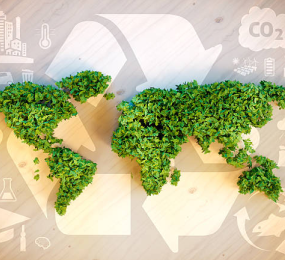
One of the most significant impacts of bioplastics is their ability to reduce the industry's carbon footprint. Unlike traditional plastics that rely on fossil fuels, bioplastics are made from plant-based materials that absorb carbon dioxide as they grow.
This process significantly lowers the net greenhouse gas emissions associated with their production, presenting a clear advantage in a world striving for decarbonization. Furthermore, bioplastics can be designed to be biodegradable or compostable, allowing them to break down naturally in a controlled environment, such as an industrial composting facility. This property addresses the persistent problem of plastic waste accumulating in landfills and oceans, offering a pathway to a more circular economy.
However, the transition to bioplastics is not without its challenges. The industry faces hurdles related to cost, performance, and the need for proper waste management infrastructure. Bioplastics are currently more expensive to produce than their conventional counterparts, and their properties may not always match the durability and barrier protection required for certain products. Proper disposal is also crucial; many compostable bioplastics require specific industrial facilities to break down effectively, and they can contaminate recycling streams if mixed with traditional plastics. Despite these challenges, the rapid pace of innovation suggests a future where bioplastics will play an even more dominant role, offering a more sustainable and responsible solution for our packaging needs.
Visit our website to know more: https://www.leadventgrp.com/events/circular-packaging-biopolymer-summit/details
For more information and group participation, contact us: [email protected]
Leadvent Group - Industry Leading Events for Business Leaders!






Comment