

Navigating the Depths: Cost Optimization in Subsea Cable Management
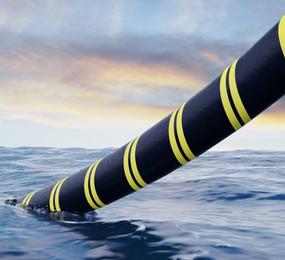
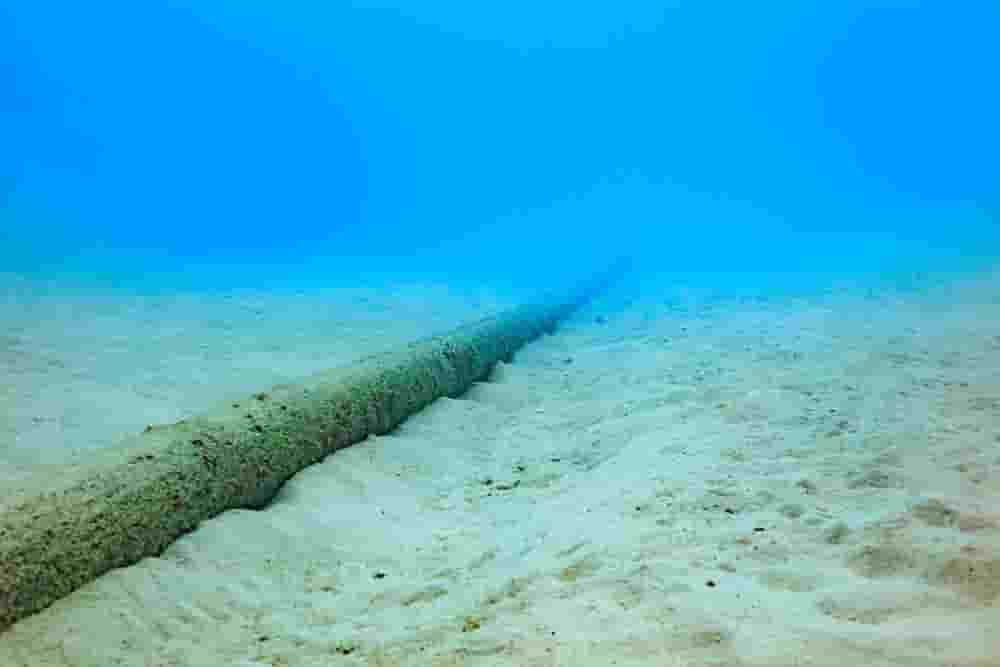
Subsea cables are the silent backbone of global connectivity, carrying over 99% of international data. However, the financial burden of maintaining these underwater arteries is immense. From extreme environmental pressures to accidental anchor drags, the risks are high and the repair costs even higher. To ensure long-term viability, operators must pivot from reactive maintenance to strategic cost optimization.
1. Shift to Predictive Maintenance
The most effective way to cut costs is to prevent the "fault" before it occurs. Traditional marine maintenance often relies on scheduled inspections, which can be unnecessarily frequent or dangerously late. By integrating Distributed Fiber Optic Sensing (DFOS), operators can monitor cable health in real-time. This technology detects acoustic vibrations or temperature changes—often the precursors to cable fatigue or third-party interference—allowing for targeted interventions that avoid the $1M+ price tag of a deep-sea repair mission.
2. Strategic Spare Management and "Club" Agreements
Maintaining a private fleet of repair vessels and a full inventory of spare parts is prohibitively expensive. Collaborative models, such as maintenance authorities or "cable ships pools," allow multiple operators to share the standby costs of repair vessels. Additionally, optimizing spare cable storage at strategic regional hubs—rather than at every landing station—reduces warehousing overhead and streamlines logistics during emergencies.
3. Data-Driven Route Engineering
Cost optimization begins on the drawing board. Utilizing advanced Geographic Information Systems (GIS) during the planning phase helps avoid high-risk areas like seismic fault lines or heavy trawling zones. A slightly longer, safer route is often more cost-effective over a 25-year lifecycle than a direct route prone to frequent outages.
By blending real-time monitoring with collaborative logistics and intelligent design, asset managers can significantly reduce OPEX while bolstering the resilience of the world’s digital infrastructure.












Comment