

The Pulse of the Power Grid: Real-Time Monitoring for Optimization
The modern electrical grid is undergoing a radical transformation. As we shift away from centralized fossil fuel plants toward a decentralized mix of solar, wind, and battery storage, the old "predict and provide" model is no longer sufficient. To maintain stability in this complex environment, Real-Time Monitoring (RTM) systems have become the essential central nervous system of grid optimization.
From Static to Dynamic
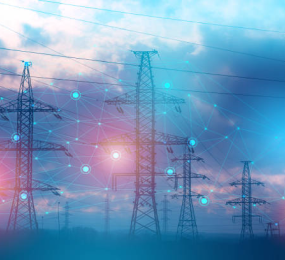
Traditionally, grid operators relied on static models and historical data to manage loads. However, renewable energy is inherently volatile; a passing cloud or a sudden gust of wind can cause massive fluctuations in power injection. RTM systems utilize a network of Phasor Measurement Units (PMUs) and IoT sensors to capture high-fidelity data—often at rates of 30 to 60 samples per second.
This granular visibility allows for Dynamic Line Rating (DLR). Instead of operating lines based on "worst-case" summer heat assumptions, operators can adjust capacity based on actual cooling effects from current wind and temperature. This safely increases the amount of power sent through existing infrastructure, reducing congestion and the need for costly new transmission lines.
Proactive Stability and Efficiency
Real-time data facilitates automated demand response and rapid fault detection. When a disturbance occurs, RTM systems can pinpoint the location and isolate the failure in milliseconds, preventing a localized trip from cascading into a regional blackout. Furthermore, these systems optimize the integration of Distributed Energy Resources (DERs), ensuring that excess residential solar power is balanced against industrial demand in real time.
By replacing guesswork with instantaneous precision, real-time monitoring doesn't just keep the lights on—it makes the grid leaner, greener, and significantly more resilient.






Comment