

Introduction
In 2025, the global energy transition is moving beyond traditional renewables to include innovative fuels that can decarbonize sectors like aviation, shipping, and heavy industry. Electrofuels, often referred to as e-fuel, are synthetic fuels created using renewable electricity, carbon dioxide, and water. They hold great promise as a clean alternative to fossil fuels, but their large-scale deployment faces significant techno-economic and life cycle assessment (LCA) challenges.
What Are Electrofuels?
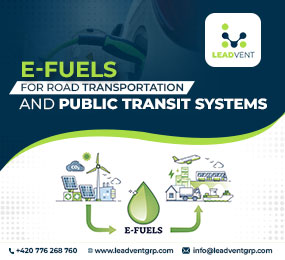
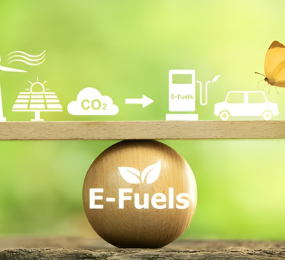
Electrofuels are produced through processes like electrolysis, which generates hydrogen from water, combined with captured carbon dioxide to synthesize liquid or gaseous fuels. These fuels are compatible with existing engines and infrastructure, making them attractive for industries where electrification is difficult.
Techno-Economic Barriers
Despite their potential, e-fuel technologies are still expensive.
- High production costs: Electrolysis and carbon capture remain capital-intensive.
- Energy intensity: Producing electrofuels requires large amounts of renewable electricity, often more than what is available in many regions.
- Infrastructure investment: Scaling requires new supply chains, pipelines, and distribution networks.
- Market competitiveness: Without subsidies or policy support, electrofuels struggle to compete with fossil fuels and even other green alternatives like biofuels.
LCA (Life Cycle Assessment) Challenges
A comprehensive evaluation of electrofuels must consider their environmental footprint across the entire life cycle.
- Carbon intensity of electricity: If the electricity used is not 100% renewable, emissions may still be significant.
- Water use: Electrolysis consumes large volumes of freshwater, which can be a constraint in arid regions.
- Resource efficiency: The conversion process from renewable energy to synthetic fuels has efficiency losses, making overall energy use high.
- Sustainability trade-offs: Competing land, water, and energy demands must be balanced to avoid unintended consequences.
Global Outlook in 2025
Governments and industry leaders are increasingly addressing these challenges. Pilot projects in Europe, the U.S., and Asia are demonstrating commercial viability at smaller scales. Policymakers at international energy summits are discussing how carbon pricing, renewable energy expansion, and technology subsidies can accelerate adoption.
Pathways to Overcome Challenges
- Policy support: Incentives, carbon pricing, and renewable energy mandates.
- Technology improvements: More efficient electrolyzers and advanced carbon capture.
- Hybrid approaches: Combining electrofuels with bio-based fuels to optimize sustainability.
- International collaboration: Global frameworks to harmonize standards and reduce costs.
Conclusion
Electrofuels and e-fuel technologies are at a turning point in 2025. While they present undeniable potential for deep decarbonization, overcoming the techno-economic and LCA challenges will require coordinated action from policymakers, researchers, and industry. If these hurdles are addressed, electrofuels could become a cornerstone of a carbon-neutral future.
FAQs
Q1. What are electrofuels used for?
They are mainly used in aviation, shipping, and heavy industries where direct electrification is not practical.
Q2. Why are electrofuels expensive?
They require energy-intensive processes like electrolysis and carbon capture, making costs higher compared to fossil fuels.
Q3. How does LCA affect electrofuels?
Life cycle assessment ensures the fuel’s total environmental impact, from energy input to emissions, is accounted for.
Q4. Can electrofuels be scaled globally?
Yes, but large-scale adoption depends on renewable energy availability, cost reductions, and supportive policy frameworks.
Q5. Are electrofuels better than biofuels?
They are complementary. While biofuels rely on biomass, electrofuels depend on renewable electricity and carbon capture. Both can work together to decarbonize energy systems.











Comment