

Introduction
In 2025, the world is accelerating its shift toward carbon neutrality. One of the most promising pathways in this transformation is PtX (Power-to-X). This approach uses renewable electricity to create a range of products, including fuels, chemicals, and gases. When combined with carbon capture and green hydrogen, PtX opens the door to producing sustainable synthetic fuels such as e-fuel, offering a scalable solution for sectors that are difficult to electrify.
What is PtX (Power-to-X)?
PtX (Power-to-X) refers to converting renewable electricity into different forms of energy carriers and products. These can include hydrogen, methane, ammonia, and liquid fuels. By leveraging surplus renewable energy, PtX ensures that power generated from wind and solar does not go to waste. Instead, it is stored or transformed into clean alternatives to fossil-based products.
The Role of Carbon Capture
Carbon capture is central to the PtX process. It involves capturing CO? from industrial emissions or directly from the air. This captured carbon is then used as a feedstock, rather than being released into the atmosphere. When combined with green hydrogen, it forms the backbone of synthetic fuel production. This cycle not only reduces greenhouse gas emissions but also creates a circular carbon economy.
Green Hydrogen as the Building Block
Green hydrogen is produced via electrolysis, where water is split into hydrogen and oxygen using renewable electricity. In the PtX pathway, hydrogen acts as the essential element for producing e-fuel. When hydrogen reacts with captured CO?, it forms hydrocarbons like methanol, kerosene, or synthetic diesel. These fuels are compatible with existing engines, making them a practical bridge toward decarbonization.
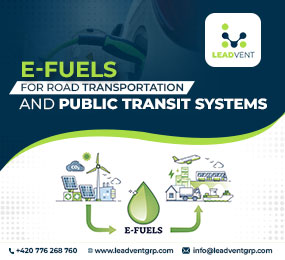
How PtX Produces Synthetic Fuels
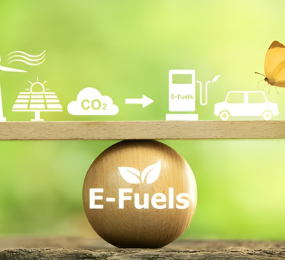
- Renewable electricity powers electrolysis to generate green hydrogen.
- CO? is captured from industrial sources or the air.
- Hydrogen and CO? are combined through chemical synthesis.
- The outcome is e-fuel or other synthetic hydrocarbons ready for use in aviation, shipping, and heavy industries.
Benefits of PtX Integration
- Decarbonization of hard-to-abate sectors: Aviation and shipping gain sustainable fuel alternatives.
- Energy storage: Converts surplus renewable electricity into storable fuels.
- Circular carbon economy: Uses CO? as a resource, reducing atmospheric emissions.
- Infrastructure compatibility: Synthetic fuels work with existing global fuel systems.
- Scalability: PtX can be adapted for various energy and industrial needs.
Challenges to Address
While promising, PtX faces hurdles:
- High production costs compared to fossil fuels.
- Large energy requirements for electrolysis and carbon capture.
- The need for policy incentives and global cooperation.
- Scaling infrastructure to handle synthetic fuel production and distribution.
Global Outlook in 2025
International energy forums are highlighting PtX (Power-to-X) as a cornerstone of future energy systems. Pilot projects in Europe, Japan, and the U.S. are demonstrating commercial potential, with governments setting ambitious targets for synthetic fuel production. Airlines and shipping companies are entering agreements to secure long-term supplies of e-fuel, underlining the growing confidence in PtX pathways.
Conclusion
By integrating carbon capture and green hydrogen, PtX (Power-to-X) is redefining the future of energy. Synthetic fuels like e-fuel are no longer distant concepts but emerging realities in 2025. Overcoming cost and scaling challenges will be critical, but with ongoing innovation and policy support, PtX offers a clear path to global decarbonization.
FAQs
Q1. What does PtX (Power-to-X) mean?
It refers to converting renewable electricity into other forms of energy carriers such as hydrogen, ammonia, or synthetic fuels.
Q2. How does PtX use carbon capture?
Captured CO? is combined with green hydrogen to produce synthetic fuels, reducing emissions while creating valuable energy resources.
Q3. What is the role of green hydrogen in PtX?
Green hydrogen is the essential input that reacts with CO? to form synthetic hydrocarbons like methanol, kerosene, and e-fuel.
Q4. Why are synthetic fuels important?
They decarbonize sectors like aviation and shipping that cannot easily shift to direct electrification.
Q5. Is PtX commercially viable in 2025?
Yes, pilot projects are already running, but large-scale deployment still requires cost reductions and supportive global policies.










Comment