

Agrivoltaics: Bridging Agriculture and Clean Energy for a Sustainable Future
The global pursuit of sustainability has given rise to innovative solutions that address multiple challenges at once. Agrivoltaics an approach that integrates solar energy production with agriculture is one such solution. By allowing farmland to serve both as a source of food and clean power, agrivoltaics is transforming how we think about land use, rural economies, and the balance between human needs and environmental responsibility.
A Dual Approach to Land Use
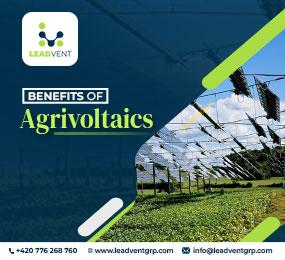
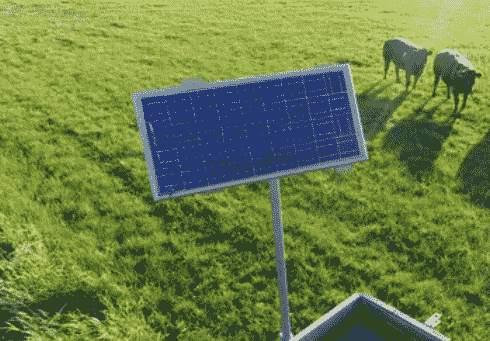
Agriculture and energy production have long competed for land. In many regions, expanding solar farms has raised concerns about reducing space for crops. Agrivoltaics offers a compromise by installing solar panels above farmland, creating a system where crops and solar power coexist. This dual use of land helps farmers increase revenue while contributing to renewable energy goals.
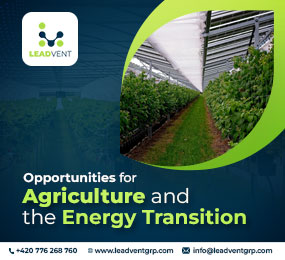
For smallholder farmers, especially in regions facing climate stress, agrivoltaics can be a lifeline. The shading provided by solar panels can reduce water evaporation and shield sensitive crops from extreme heat, while the energy produced can power irrigation systems, storage facilities, and farm machinery.
Benefits Beyond Energy
The impact of agrivoltaics extends well beyond producing electricity. Studies have shown that crops grown under solar panels can sometimes yield better results due to improved microclimates. Reduced heat stress, more consistent soil moisture, and protection from strong winds create favorable conditions for certain types of produce.
Moreover, the additional income farmers earn from leasing land for solar projects or selling power to the grid brings economic stability to rural communities. This model strengthens food security while also supporting national renewable energy targets.
Innovation and Local Adaptation
Agrivoltaic systems are not “one size fits all.” Different climates, soil conditions, and crops require tailored approaches. For example, vineyards in Europe have successfully adopted solar shading to protect grapes from rising temperatures, while in Africa, pilot projects are using solar panels to provide both energy and shade for staple crops.
Technological innovations, such as adjustable solar panels that tilt based on sunlight needs, further enhance flexibility. These systems allow for maximum power generation while ensuring that crops receive adequate light.
A Step Toward Climate Resilience
The agricultural sector is among the most vulnerable to climate change. Rising temperatures, unpredictable rainfall, and land degradation threaten livelihoods and food supply. Agrivoltaics presents a pathway toward resilience by providing renewable energy, conserving water, and ensuring farmland continues to produce even under changing environmental conditions.
At the same time, the renewable energy generated reduces greenhouse gas emissions, contributing to climate change mitigation. This makes agrivoltaics not just an agricultural innovation but a climate solution as well.
Takeaway Point: Agrivoltaics proves that food and energy do not have to compete for land. By merging agriculture with solar power, it provides farmers with stability, strengthens food security, and supports global climate goals an innovation where sustainability truly works hand in hand with productivity.
Learn more on our website: https://www.leadventgrp.com/event/4th-annual-agrivoltaics-europe/register
For more information and group participation, contact us: [email protected]
Leadvent Group - Industry Leading Events for Business Leaders!
www.leadventgrp.com | [email protected]






Comment