

Introduction
In 2025, agriculture and renewable energy are converging in ways that promise long-term sustainability. AgriPV—the integration of photovoltaic systems with farming practices—has gained momentum worldwide. This approach goes beyond traditional solar farming by adapting solar technologies to suit different agricultural applications, from open crop fields to controlled PV greenhouses and even livestock grazing systems. With increasing discussions at every major solar energy event, AgriPV is no longer just an experiment but a practical solution for food security and clean energy production.
What is AgriPV?
AgriPV refers to the dual use of land for agriculture and photovoltaic energy generation. Unlike standalone solar plants, this model ensures that farmland continues to serve its primary purpose of food production while also contributing to renewable energy goals. Farmers not only grow crops or raise animals but also generate electricity, diversifying their income streams.
AgriPV in Crop Fields
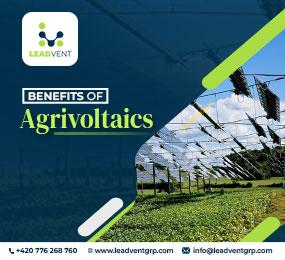
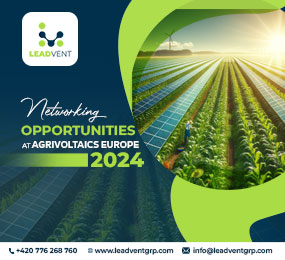
Open-field AgriPV installations allow farmers to cultivate crops beneath elevated solar panels. These panels provide partial shading, which can protect plants from excessive heat and reduce water evaporation. Crops such as tomatoes, peppers, soybeans, and leafy greens have shown improved yields in pilot projects when grown under carefully designed PV structures.
PV Greenhouses for Controlled Farming
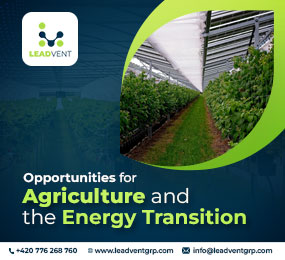
PV greenhouses combine greenhouse farming with integrated solar panels. The panels are designed to optimize light distribution, allowing crops to receive adequate sunlight while simultaneously generating power. In 2025, several countries have launched large-scale PV greenhouse initiatives to support urban farming and ensure year-round crop production with lower energy costs.
AgriPV and Grazing
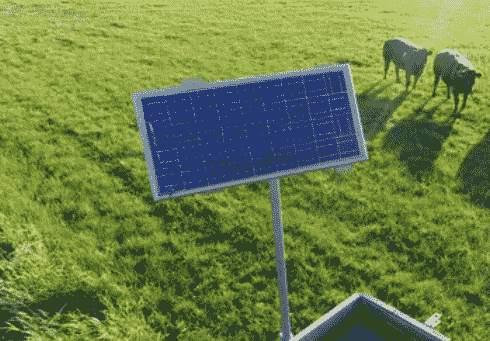
Another promising application of AgriPV is in livestock farming. Elevated solar panels installed over grazing fields provide shade for animals such as sheep, goats, and cattle. This not only improves animal welfare but also helps maintain pasture quality. Additionally, sheep grazing around solar farms has proven effective in naturally controlling vegetation growth, reducing maintenance costs.
Benefits of AgriPV
- Efficient land use: Combines food and energy production on the same land.
- Improved crop resilience: Partial shading helps crops withstand climate stress.
- Water savings: Reduced evaporation lowers irrigation needs.
- Animal welfare: Grazing animals benefit from cooler conditions under panels.
- Economic value: Farmers earn dual revenue—agricultural output and electricity sales.
AgriPV at Global Solar Energy Events
In 2025, leading solar energy event platforms have highlighted AgriPV as a key theme. These events showcase successful global pilot projects, investment opportunities, and policies supporting dual-use farming. The focus is on scaling up AgriPV from research trials to mainstream agricultural practice, ensuring both sustainable energy and food production.
Future of AgriPV
By 2030, experts predict that millions of hectares worldwide could be dedicated to AgriPV, generating gigawatts of renewable energy while safeguarding agricultural productivity. Advances in panel design, greenhouse technologies, and precision farming tools will further enhance its impact, making AgriPV a cornerstone of sustainable farming systems.
FAQs
Q1. What is the main advantage of AgriPV?
The main advantage is dual land use, where the same land produces both food and renewable energy, increasing overall efficiency.
Q2. Can AgriPV work in all climates?
Yes, but its effectiveness depends on crop type, solar panel design, and local climate. Pilot projects are already successful in arid, tropical, and temperate regions.
Q3. How do animals benefit from AgriPV systems?
Livestock gain shaded areas under solar panels, reducing heat stress and improving grazing conditions.
Q4. Are PV greenhouses different from traditional ones?
Yes, PV greenhouses integrate solar panels into their structure, reducing energy costs while maintaining controlled growing conditions.
Q5. Why is AgriPV a major focus at solar energy events?
Because it addresses two global priorities—food security and clean energy—making it a scalable, future-ready solution.






Comment