

Sustainable Marine Fuels: Steering Shipping Toward a Lower-Carbon Future
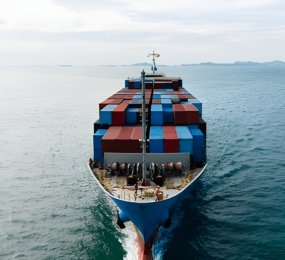
The global shipping industry underpins international trade, moving the majority of goods across oceans every day. While maritime transport remains one of the most efficient ways to move cargo, it also faces growing pressure to reduce its environmental footprint. Sustainable marine fuels are increasingly central to this conversation, offering pathways to lower emissions without compromising operational reliability.
Traditional marine fuels, such as heavy fuel oil and marine gasoil, have long been valued for their energy density and availability. However, tightening environmental regulations and rising expectations from cargo owners and regulators are accelerating interest in cleaner alternatives. The challenge lies in identifying fuels that can be scaled globally while meeting the technical demands of marine engines and long-distance voyages.
Among the leading options are biofuels, which can be produced from waste oils, agricultural residues, and other renewable feedstocks. Many marine biofuels are compatible with existing engines and fuel systems, allowing ship operators to reduce emissions without major retrofits. This drop-in capability has made biofuels an attractive near-term solution, particularly for vessels operating on fixed routes.
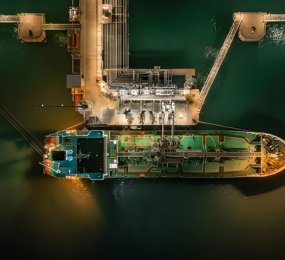
Liquefied natural gas (LNG) has also gained traction as a transition fuel. Compared with conventional marine fuels, LNG offers lower sulfur emissions and reduced carbon output. While it does not eliminate emissions entirely, LNG infrastructure investments have helped some operators meet regulatory requirements while preparing for future fuel transitions.
Looking further ahead, fuels such as green methanol, ammonia, and hydrogen are drawing significant attention. These options have the potential to deliver deep emissions reductions when produced using renewable energy. Several pilot projects and new vessel designs are already exploring their use. However, challenges remain around fuel availability, safety standards, and the development of global bunkering infrastructure.
Operational considerations play a critical role in fuel selection. Factors such as vessel type, trading routes, fuel storage requirements, and crew training all influence adoption decisions. As a result, many shipping companies are pursuing fuel flexibility, designing vessels that can adapt to multiple fuel types as technologies mature.
Policy frameworks and market incentives are shaping the pace of change. International regulations, including emissions targets set by maritime authorities, are encouraging investment in cleaner fuels. At the same time, cargo owners and charterers are increasingly factoring emissions performance into contracting decisions, adding commercial pressure to decarbonize.
Sustainable marine fuels are not a single solution but a portfolio of options evolving at different speeds. Progress will depend on coordinated action across fuel producers, shipowners, ports, and regulators. With careful planning and sustained investment, the maritime sector can reduce its environmental impact while continuing to support global trade.
Key Takeaway
Sustainable marine fuels offer multiple pathways for reducing shipping emissions, with success depending on fuel flexibility, infrastructure development, and collaboration across the maritime value chain. Learn more on our website: https://www.leadventgrp.com/event/world-sustainable-marine-fuels-forum/register For more information and group participation, contact us: [email protected]
Leadvent Group - Industry Leading Events for Business Leaders!
www.leadventgrp.com | [email protected]














Comment