

Solar PV: Powering a New Era of Clean and Accessible Energy
Solar photovoltaic (PV) technology has become one of the most influential forces in the global shift toward cleaner energy. Once seen as an expensive alternative, it is now a practical and widely adopted solution across homes, businesses, and large-scale power plants. Its rise is not just a technological achievement; it represents a shift in how societies think about energy, resilience, and long-term sustainability.
Solar PV works on a simple principle sunlight hits a panel, and that light is converted into electricity through semiconductor materials. While the science behind it is sophisticated, its strength lies in its simplicity. Panels require no fuel, make no noise, and have minimal environmental impact compared to traditional energy sources. This accessibility has made solar PV a powerful tool for expanding energy access in both urban centers and remote communities where grid connections are limited or unreliable.
One of the strongest advantages of solar PV is its affordability. Over the past decade, the cost of PV systems has dropped dramatically thanks to economies of scale, improvements in manufacturing, and growing competition in the renewable energy market. This cost decline has opened the door for more households and businesses to invest in solar, reducing dependency on fossil fuels and lowering electricity bills. For many families and small enterprises, solar has become more than an energy solution, it’s a pathway to financial resilience.
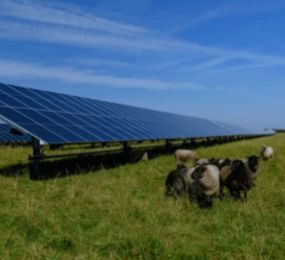
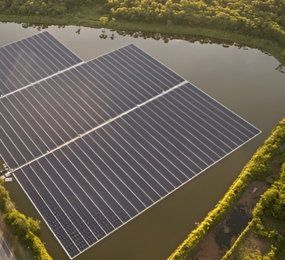
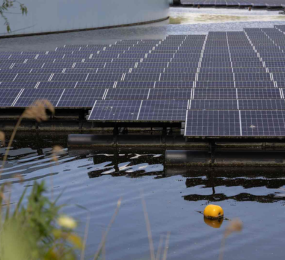
Beyond individual installations, utility-scale solar farms have brought large amounts of clean electricity onto national grids. These projects can power thousands of homes, supporting national climate goals and reducing carbon emissions. Their modular nature makes them easy to expand as energy demand grows, offering a flexible and long-term solution for governments seeking to diversify their energy mix.
Another major advantage of solar PV is its role in energy independence. Countries with abundant sunlight such as those across Africa, the Middle East, Asia, and parts of Europe are using solar to reduce reliance on imported fuels. This shift not only strengthens national energy security but also shields economies from global price fluctuations.
Despite its tremendous promise, solar PV is not without challenges. Its performance depends on weather conditions, and energy generation naturally declines at night. To overcome this, many regions are investing in battery storage solutions that preserve excess energy during sunny hours for use later. Energy storage is becoming an essential partner to solar PV, allowing communities to benefit from consistent, round-the-clock power.
There is also a growing focus on end-of-life panel recycling. As the earliest generations of solar panels approach retirement, recycling technologies are being developed to recover valuable materials like silicon, aluminum, and silver. This ensures that solar remains not only a clean energy source but also part of a circular and responsible supply chain.
From rooftop installations to large-scale solar parks, solar PV continues to reshape how the world thinks about energy. It empowers individuals, strengthens economies, and supports global climate commitments. Most importantly, it offers a hopeful vision a future where clean power is accessible to all.
Takeaway Point:
Solar PV is more than a renewable energy technology; it is a practical, affordable, and transformative tool that is reshaping global energy systems and giving communities greater control over their energy future.
Learn more on our website: https://www.leadventgrp.com/event/6th-annual-floating-solar-pv-forum/register
For more information and group participation, contact us: [email protected]
Leadvent Group - Industry Leading Events for Business Leaders!
www.leadventgrp.com | [email protected]









Comment