

Floating Solar Energy: Unlocking a New Horizon for Clean Power
As the global demand for clean and reliable energy grows, innovation continues to redefine how we harness renewable resources. One of the most promising developments in this space is floating solar energy, a technology that installs solar panels on bodies of water, turning unused surfaces into powerful sources of electricity. This hybrid of solar ingenuity and water-based efficiency is gaining momentum worldwide, offering a smart solution to land scarcity and climate challenges.
The Concept Behind Floating Solar
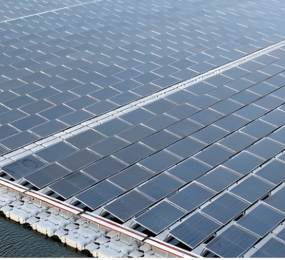
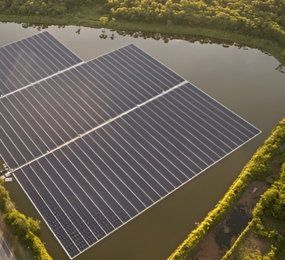
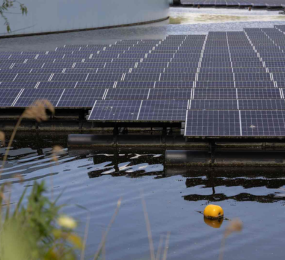
Floating solar, or floating photovoltaic (FPV) systems, are mounted on buoyant platforms that rest on reservoirs, lakes, and even offshore waters. Beneath the simplicity of the idea lies a smart balance between innovation and sustainability. By moving solar installations to water bodies, developers can significantly reduce land use conflicts, especially in densely populated or agriculturally rich regions.
These systems are anchored securely to withstand environmental conditions, while their design ensures minimal disturbance to aquatic ecosystems. The reflective properties of water also help cool the panels, enhancing efficiency compared to land-based systems.
Why Floating Solar Matters
Floating solar energy is more than an alternative, it’s a complement to existing renewable sources. Its cooling effect can improve panel performance by up to 10–15%, making it an efficient choice in regions with high temperatures. Moreover, placing panels on water reduces evaporation rates, preserving valuable water resources in drought-prone areas.
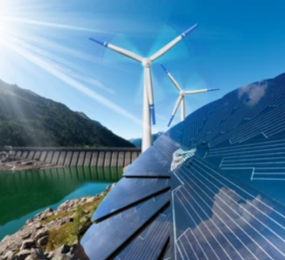
Another compelling advantage lies in co-location opportunities. Pairing floating solar with hydropower reservoirs enables hybrid plants that share infrastructure and deliver power more consistently, even when water levels fluctuate. This synergy maximizes renewable output without additional land footprint.
Global Growth and Potential
Countries such as China, Japan, India, and the Netherlands are leading the global floating solar revolution. Large-scale projects like the 320 MW Dezhou Dingzhuang Floating Solar Farm in China demonstrate both the scalability and long-term viability of FPV technology. In Europe, floating solar projects are being integrated into
wastewater treatment plants and industrial reservoirs, optimizing underutilized water surfaces for energy production.
With costs steadily declining and environmental benefits becoming clearer, many nations are now incorporating floating solar into their energy transition roadmaps.
Challenges and Future Outlook
Despite its promise, floating solar faces challenges such as material durability, maintenance accessibility, and environmental monitoring. Developers must consider water quality impacts, corrosion, and long-term mooring system performance. However, advancements in corrosion-resistant materials, lightweight structures, and AI-driven monitoring are steadily addressing these hurdles.
As technology matures, floating solar is expected to play a key role in hybrid renewable systems complementing wind, hydro, and land-based solar to deliver a stable and sustainable energy mix.
Takeaway Point: Floating solar energy represents a bold step toward smarter, more space-efficient renewable power generation. By transforming idle water surfaces into clean energy hubs, it not only broadens access to solar power but also redefines how nations can balance development with environmental stewardship.
Learn more on our website: https://www.leadventgrp.com/event/6th-annual-floating-solar-pv-forum/register For more information and group participation, contact us: [email protected] .
Leadvent Group - Industry Leading Events for Business Leaders!
www.leadventgrp.com | [email protected]





Comment