

Wind Power Data and Innovation: Driving the Next Wave of Renewable Efficiency
Wind energy has rapidly evolved from a promising renewable option to a cornerstone of the global clean energy transition. Today, innovation in data analytics, digitalization, and automation is redefining how the wind power sector operates making turbines smarter, operations more efficient, and energy delivery more reliable. The marriage of wind power and data innovation is unlocking new levels of performance, safety, and sustainability across the industry.
The Power of Data in Wind Energy
Every wind turbine is a powerhouse of information. Sensors continuously collect vast amounts of data from wind speed and temperature to vibration levels and energy output. This data, when properly analyzed, offers deep insights into turbine performance and operational conditions.
Through predictive analytics, operators can detect potential faults long before they lead to costly breakdowns. For example, a subtle change in vibration patterns might indicate early bearing wear. By addressing the issue early, downtime and maintenance costs are drastically reduced. This shift from reactive to predictive maintenance has become one of the most valuable benefits of data innovation in wind power.
Innovation Through Digitalization
The integration of digital twins, virtual replicas of wind turbines or entire wind farms represents one of the most groundbreaking innovations in the sector. These digital models simulate real-world conditions, allowing engineers to test performance, optimize blade designs, and anticipate failures without physical trials.
Coupled with machine learning algorithms, digital twins continuously learn from operational data to improve accuracy and efficiency. The result is a smarter, self-optimizing energy system capable of adapting to environmental and mechanical variables in real time.
Smarter Grid Integration
Innovation in wind power data extends beyond the turbines themselves. Smart grids and energy management systems now play a crucial role in integrating variable wind generation with national power networks. Real-time data allows operators to balance supply and demand, forecast output, and minimize energy waste.
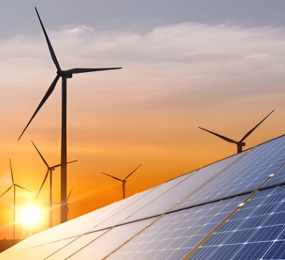
By linking wind farms with other renewable sources and storage systems, such as batteries or green hydrogen production, the energy ecosystem becomes more flexible and resilient a key factor in achieving global decarbonization goals.
The Human Factor in Data Innovation
While technology is central to this transformation, the role of skilled professionals remains irreplaceable. Engineers, data scientists, and analysts translate complex datasets into actionable insights. This collaboration between human expertise and digital intelligence ensures that innovation in wind power remains both sustainable and secure.
Takeaway Point: Data and innovation are not just supporting the growth of wind energy, they are redefining it. By combining analytics, automation, and digital modeling, the wind sector is becoming more efficient, predictable, and interconnected than ever before. The next frontier of renewable energy lies in how effectively we harness the power of information to make every gust of wind count. Learn more on our website: https://www.leadventgrp.com/event/7th-edition-windpower-data-and-digital-innovation-forum/register
For more information and group participation, contact us: [email protected]
Leadvent Group - Industry Leading Events for Business Leaders!
www.leadventgrp.com | [email protected]










Comment