

Wind Turbine Blades: Shaping the Backbone of Renewable Energy
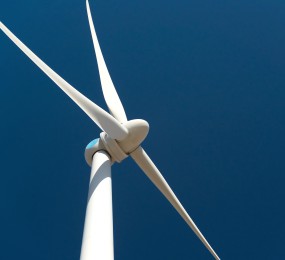
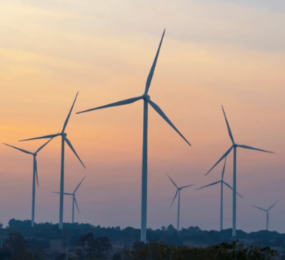
Wind energy has become one of the most dependable pillars of the global transition to cleaner power. At the heart of every wind turbine lies a component often overlooked but absolutely essential—the wind turbine blade. These blades, designed to capture the movement of air and convert it into electricity, play a remarkable role in maximizing performance and driving the growth of renewable energy.
Wind turbine blades have come a long way from their early days. Today, they are engineered with remarkable precision, balancing aerodynamics, durability, and efficiency. Built from lightweight composite materials, usually combinations of fiberglass, carbon fiber, and resins, they are strong enough to withstand harsh weather while light enough to rotate with minimal wind speed. Their design reflects a blend of advanced engineering and practical functionality.
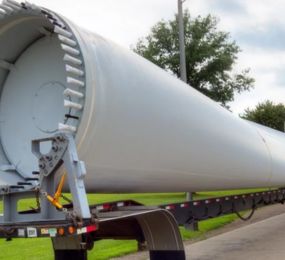
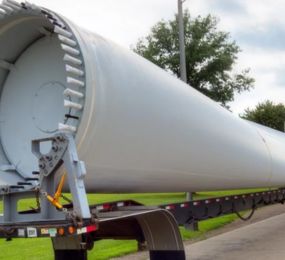
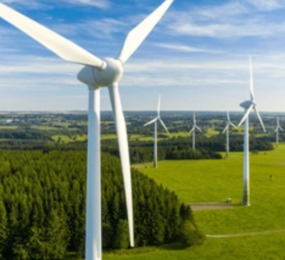
One of the biggest transformations in blade technology is size. Modern blades stretch well beyond 70 meters, some reaching more than 100 meters in length. Larger blades capture more wind, meaning each turbine can generate significantly more power. This shift has enabled wind farms to deliver electricity to millions of homes, supporting national energy targets and easing pressure on fossil fuel systems.
Blades are also becoming smarter. Embedded sensors now monitor vibration, temperature, structural health, and wind conditions in real time. This allows operators to predict maintenance needs, reduce downtime, and extend blade lifespan. These insights not only improve efficiency but also reduce operational costs an important step as countries push to make renewable energy even more accessible.
Sustainability is another major focus. Traditional blades are challenging to recycle due to their complex composite structure. As global wind capacity grows, so does the urgency to address blade end-of-life solutions. Researchers and industry leaders are developing recyclable materials, such as thermoplastic resins, and exploring innovative recycling techniques that repurpose old blades into construction materials, pedestrian bridges, and even architectural structures. This shift supports circular economy goals and reinforces wind energy’s environmental value.
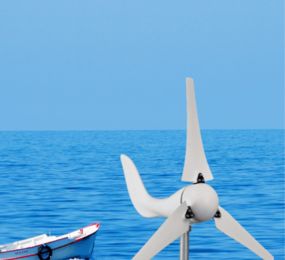
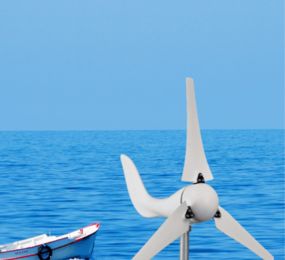
Offshore wind development is accelerating blade innovation even further. Turbines installed at sea encounter stronger winds, corrosion risks, and intense mechanical stress. Blade designs for offshore projects must balance performance with long-term resilience. Engineers are creating aerodynamic profiles that optimize power in turbulent conditions and materials that endure salt exposure without compromising strength. These advancements are helping offshore wind farms achieve record-breaking energy outputs.
Wind turbine blades also contribute to local economies. Their manufacturing, transport, installation, and maintenance require skilled labor and specialized facilities. Regions investing in wind energy often see new job opportunities, from engineering to logistics, creating stronger and more resilient communities.
The evolving technology behind wind turbine blades reflects a global commitment to building cleaner, more efficient, and more sustainable energy systems. While challenges remain, such as recycling, transportation of large blades, and maintenance in remote areas the industry continues to push the boundaries of innovation.
Takeaway Point:
Wind turbine blades are the silent drivers of modern wind energy—growing smarter, stronger, and more sustainable, and ensuring that renewable power remains reliable and impactful for generations to come.
Learn more on our website: https://www.leadventgrp.com/event/3rd-annual-wind-blade-materials-and-recycling-forum/register
For more information and group participation, contact us: [email protected]
Leadvent Group - Industry Leading Events for Business Leaders!
www.leadventgrp.com | [email protected]





Comment