

Solar PV: A Practical Foundation for the Global Energy Transition
Solar photovoltaic (PV) technology has moved from niche deployment to mainstream energy generation within a relatively short period. Once considered supplementary, solar PV is now central to national energy strategies, corporate sustainability plans, and private investment portfolios. Its growth reflects not only environmental priorities but also sound economic fundamentals.
At its core, solar PV converts sunlight directly into electricity through semiconductor materials. The simplicity of this principle has allowed the technology to scale efficiently. Over the past decade, improvements in module efficiency, manufacturing processes, and supply chains have significantly reduced costs. In many regions, solar PV is now one of the most competitive sources of new electricity generation.
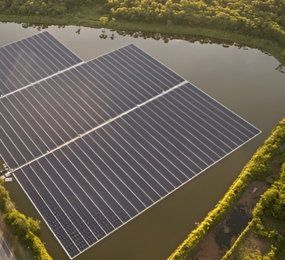
One of the strongest advantages of solar PV lies in its flexibility. Systems can range from small rooftop installations serving individual homes or businesses to large-scale utility projects feeding directly into national grids. This adaptability allows solar to serve both centralized and distributed energy models. In emerging markets, solar PV also provides opportunities for expanding electricity access in remote or underserved areas.
Economic considerations continue to drive adoption. The predictability of solar generation costs over the lifetime of a project offers stability in an energy landscape often characterized by price volatility. Long-term power purchase agreements provide revenue certainty for developers while giving buyers access to stable electricity pricing. For businesses, on-site solar installations can reduce operational costs and exposure to fluctuating energy markets.
Grid integration remains an important consideration as solar capacity expands. Because solar generation depends on daylight and weather conditions, energy systems must adapt to variable output. This challenge is increasingly addressed through battery storage, grid modernization, and diversified renewable portfolios that balance solar with wind and other resources. As storage technologies mature, the value of solar PV continues to strengthen.
Environmental benefits are a central part of solar PV’s appeal. Once installed, solar systems generate electricity without direct greenhouse gas emissions. Lifecycle impacts associated with manufacturing and disposal are being addressed through recycling initiatives and improved production standards. Responsible sourcing of materials and circular economy practices are gaining greater attention within the industry.
Policy frameworks have also played a role in solar PV’s expansion. Incentives, auctions, and renewable energy targets have supported early growth, while competitive markets now drive much of the investment. As the industry matures, stable regulatory environments and clear grid connection processes are increasingly important to sustain momentum.
Solar PV is no longer viewed as an emerging technology. It is a proven and widely deployed energy solution that continues to evolve. With ongoing innovation in efficiency, storage, and system design, solar PV is well positioned to remain a cornerstone of the global energy mix.
Key Takeaway
Solar PV has become a reliable and cost-effective source of electricity, offering scalable solutions that support energy security, economic stability, and long-term emissions reduction Learn more on our website: https://www.leadventgrp.com/event/6th-annual-floating-solar-pv-forum/register For more information and group participation, contact us: [email protected] .
Leadvent Group - Industry Leading Events for Business Leaders!
www.leadventgrp.com | [email protected]









Comment