

Wind Power Data: Driving Smarter Decisions in Renewable Energy
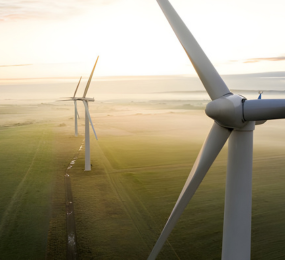
Wind energy has grown into one of the most established sources of renewable power worldwide. Yet behind every turbine turning offshore or on land lies something less visible but equally important: data. Wind power data now plays a central role in how projects are designed, financed, operated, and optimized.
Before a wind farm is built, developers rely heavily on data to determine site viability. Detailed wind resource assessments measure wind speed, direction, seasonal patterns, and turbulence levels over extended periods. These measurements, often collected through meteorological masts and remote sensing technologies such as LiDAR, provide the foundation for energy yield forecasts. Accurate forecasting not only influences turbine selection but also underpins financial modeling and investor confidence.
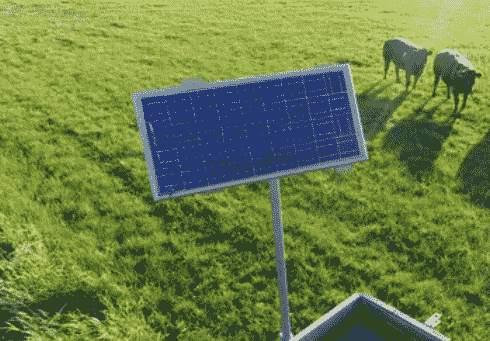
Once operational, wind farms generate vast amounts of performance data. Sensors embedded within turbines monitor rotor speed, vibration, temperature, and power output in real time. This information allows operators to assess efficiency and identify irregularities before they develop into costly mechanical failures. Predictive maintenance strategies, supported by data analytics, have significantly reduced downtime and extended asset lifespans.
Grid integration is another area where wind power data proves essential. Because wind generation varies with weather conditions, accurate forecasting helps grid operators balance supply and demand. Short-term wind forecasts allow system operators to schedule backup generation and manage electricity flows efficiently. As renewable penetration increases, reliable forecasting becomes even more critical for maintaining grid stability.
Data transparency is also influencing market dynamics. Investors and stakeholders expect detailed reporting on performance, availability rates, and environmental impact. Standardized data collection and reporting practices improve comparability across projects and regions. This transparency strengthens trust in wind as a long-term investment class.
Digital tools are further enhancing how data is used. Advanced analytics platforms and machine learning applications can identify subtle performance trends across entire fleets of turbines. By comparing operating patterns across multiple sites, operators can refine maintenance schedules, improve turbine settings, and optimize energy output. These incremental improvements, when applied across large portfolios, deliver meaningful gains.
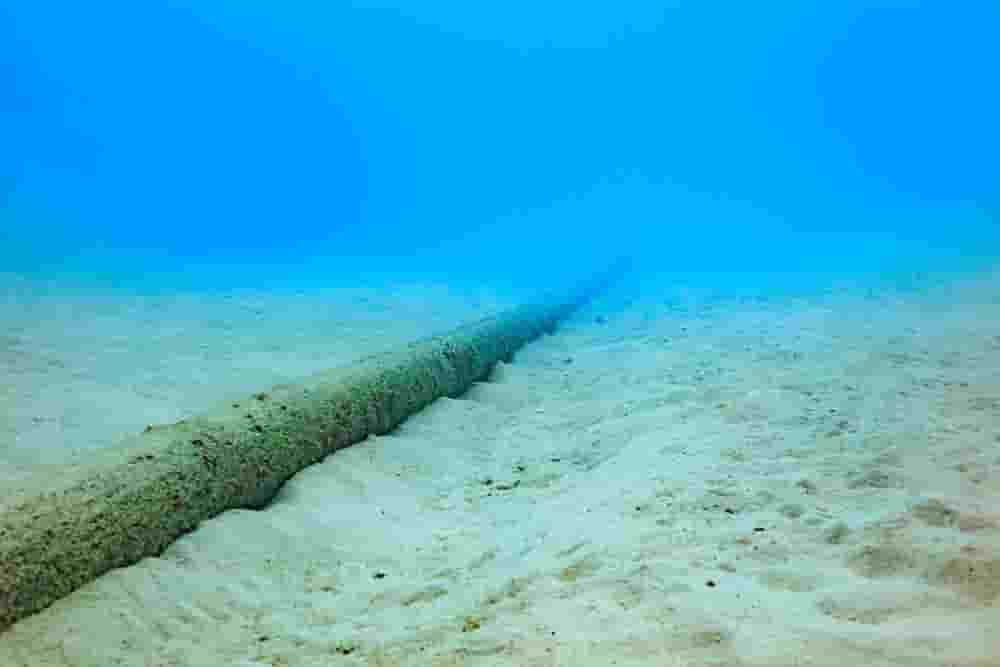
Offshore wind projects, in particular, depend heavily on data-driven management due to their scale and complexity. Remote monitoring systems reduce the need for frequent site visits, improving safety and lowering operational costs. Weather and ocean condition data also guide maintenance planning and vessel deployment.
As the wind sector matures, data management is becoming a strategic capability rather than a technical add-on. Organizations that effectively collect, interpret, and act on data are better positioned to enhance reliability, control costs, and maximize generation performance.
Wind power data does more than measure output; it shapes decision-making across the project lifecycle. From site selection to long-term operation, data provides the insight needed to strengthen both technical and financial outcomes.
Key Takeaway
Accurate and well-managed wind power data enhances project design, operational efficiency, grid integration, and investment confidence across the renewable energy sector.
Learn more on our website: https://www.leadventgrp.com/event/7th-edition-windpower-data-and-digital-innovation-forum/register
For more information and group participation, contact us: [email protected]
Leadvent Group - Industry Leading Events for Business Leaders!
www.leadventgrp.com | [email protected]













Comment