

Scaling Biopolymer Production: Challenges and Opportunities
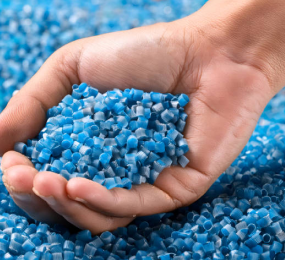
The global push toward a circular economy has shifted the spotlight onto biopolymers—materials derived from renewable biomass such as corn starch, sugarcane, and even waste oils. While the potential to replace petroleum-based plastics is immense, the transition from laboratory success to industrial-scale production remains a complex hurdle.
The Hurdle: Significant Challenges
The primary barrier to scaling is economic competitiveness. Petroleum-based plastics benefit from decades of optimized infrastructure and subsidies, making them incredibly cheap. In contrast, biopolymers like PHA (polyhydroxyalkanoates) and PLA (polylactic acid) often face high feedstock costs and energy-intensive extraction processes.
Technical consistency also poses a threat. Unlike the uniform nature of crude oil, biological feedstocks vary by season and region. Maintaining a consistent molecular weight and mechanical properties at a multi-ton scale requires sophisticated bioreactor controls and stabilized microbial strains. Furthermore, the "food vs. plastic" debate persists, as scaling often requires vast tracts of land that could otherwise support food crops.
The Horizon: Strategic Opportunities
Despite these obstacles, the opportunities for innovation are unprecedented. The integration of Synthetic Biology allows for the engineering of "super-microbes" that can convert low-value agricultural waste or captured $CO_2$ into high-performance polymers. This not only lowers feedstock costs but also addresses the land-use dilemma.
Moreover, the regulatory landscape is shifting. With many nations implementing strict bans on single-use plastics and carbon taxes, the "green premium" of biopolymers is becoming more palatable to investors. Scaling up also allows for economies of scale, where increased production volumes naturally drive down the unit cost of specialized catalysts and fermentation equipment.
As we refine these processes, the goal is clear: creating a resilient manufacturing ecosystem where plastic doesn't just degrade, but originates from the very environment it seeks to protect.






Comment