

Interconnection Projects: Managing Reliability Across Borders
As the global push for decarbonization accelerates, the energy landscape is shifting from localized generation to massive, interconnected grids. Cross-border interconnection projects—transmission lines that link the power systems of different nations—are no longer just engineering feats; they are the backbone of modern energy security. However, integrating diverse grids presents a complex challenge: maintaining unwavering reliability across geopolitical and technical boundaries.
The Balancing Act of Integration
The primary driver for interconnection is the optimization of resources. By linking regions with surplus renewable energy (like offshore wind in the North Sea or solar in North Africa) to high-demand industrial hubs, nations can reduce their reliance on fossil fuels. Yet, this interdependence introduces "contagion risk." A technical failure or frequency imbalance in one country can rapidly cascade across borders, potentially destabilizing an entire continent’s synchronized zone.
Technical and Regulatory Synchronization
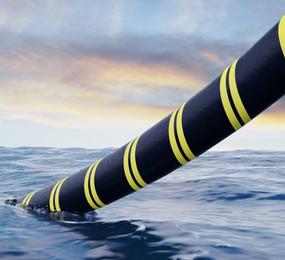
To manage these risks, engineers employ advanced High-Voltage Direct Current (HVDC) technology. Unlike traditional AC lines, HVDC allows for the precise control of power flow and acts as a "firewall" against frequency disturbances, ensuring that a localized surge doesn't become a multi-national blackout.
Beyond the hardware, reliability hinges on regulatory harmony. Managing a cross-border grid requires:
- Unified Grid Codes: Standardizing how generators connect and respond to stress.
- Real-Time Data Sharing: Constant communication between Transmission System Operators (TSOs) to predict load fluctuations.
- Joint Investment Frameworks: Ensuring that maintenance costs and infrastructure upgrades are shared equitably.
The Path Forward
Interconnection is the ultimate hedge against energy volatility. While the technical hurdles are significant, the result is a more resilient, flexible, and green energy market. By treating the grid as a shared continental asset rather than a national silo, we move closer to a future where clean energy is reliable, regardless of which side of the border it was generated on.



Comment