

Rethinking Non-Road Mobile Machinery: Powering Productivity Responsibly
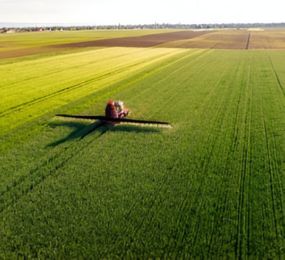
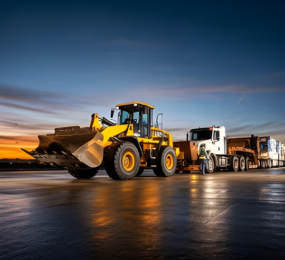
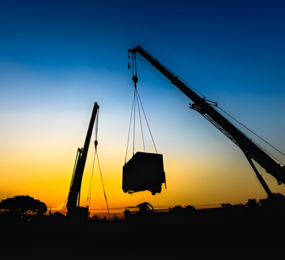
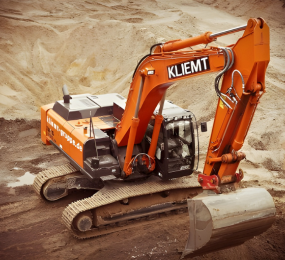
While most discussions around emissions and transport focus on cars, trucks, and airplanes, a powerful and often overlooked sector lies off the main roads: Non-Road Mobile Machinery (NRMM). These are the machines that build our cities, harvest our food, move goods through ports, and drive industrial processes in the background. Think of excavators, bulldozers, forklifts, combine harvesters, and airport ground vehicles.
They might not be in the public eye, but NRMM is the unsung backbone of many economies and it's starting to change in big ways.
The Role NRMM Plays in Everyday Life
Every infrastructure project from highways to hospitals relies on non-road machinery. So does agriculture, mining, logistics, and even event staging. These machines are built for performance in rugged, off-road environments. But until recently, environmental concerns weren’t high on the design agenda.
Most NRMM equipment has traditionally been powered by diesel engines. This has led to high emissions of nitrogen oxides, particulate matter, and carbon dioxide especially in dense urban construction sites or regions with outdated fleets.
As global attention turns to cleaner air, decarbonization, and occupational health, the need for smarter, cleaner machinery is growing fast.
Driving Change Through Innovation
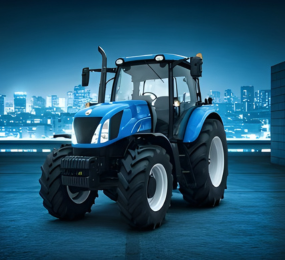
The NRMM industry is now experiencing a major transformation. Manufacturers are developing electric, hybrid, and hydrogen-powered versions of popular machines. Compact electric excavators are already being deployed in city centers where noise and emissions need to be minimized. In agriculture, autonomous electric tractors are being tested on large farms, cutting both fuel costs and carbon footprints.
Battery technology is improving, making electric models more viable, especially for light- and medium-duty operations. In parallel, biofuels and low-emission diesel alternatives are offering transitional options for fleets not yet ready for full electrification.
Telematics and digital tools are also redefining how operators manage these machines. Real-time monitoring allows for more efficient fuel use, predictive maintenance, and reduced downtime saving money and reducing emissions in the process.
Policy, Pressure, and Opportunity
Around the world, governments are beginning to tighten emissions standards for non-road equipment. The European Union’s Stage V regulations and similar policies in North America and parts of Asia are setting new expectations for engine performance and emissions controls.
Cities are also stepping in. Some now require low-emission equipment on construction sites, or provide tax benefits for operators who upgrade to cleaner machines.
But progress requires more than mandates. Industry partnerships, targeted incentives, and training for operators will be key in scaling adoption especially in emerging markets where outdated machines remain in service.
Takeaway Point:
Non-Road Mobile Machinery is entering a new era where productivity and environmental responsibility go hand-in-hand. By investing in cleaner technologies and smarter operations, industries can continue to build, grow, and move without leaving a harmful footprint behind.
Learn more on our website: https://www.leadventgrp.com/event/2nd-annual-non-road-mobile-machinery-electrification-and-decarbonization-forum/register
For more information and group participation, contact us: [email protected]
Leadvent Group - Industry Leading Events for Business Leaders!
www.leadventgrp.com | [email protected]







Comment