

Africa’s Climate Future: Why ESG Is More Than a Buzzword
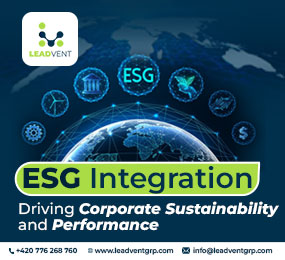
Africa’s relationship with climate change is deeply personal. While contributing minimally to global emissions, the continent faces some of the most severe consequences droughts, floods, food insecurity, and rising heat extremes. But from the ground up, a movement is growing that’s rooted in responsibility, resilience, and renewal. It’s called ESG Environmental, Social, and Governance and across Africa, it’s becoming a guide for navigating the climate crisis while building a fairer and more sustainable future.
ESG is not just about attracting foreign investment or pleasing rating agencies. In Africa, it represents a necessary alignment of values with action: protecting the environment, empowering people, and building institutions that serve communities fairly and transparently.
Climate Resilience Through Environmental Stewardship
Africa is rich in natural resources, but many of its ecosystems are under threat from desertification, deforestation, and unsustainable practices. Environmental sustainability once seen as a secondary concern is now central to long-term planning.
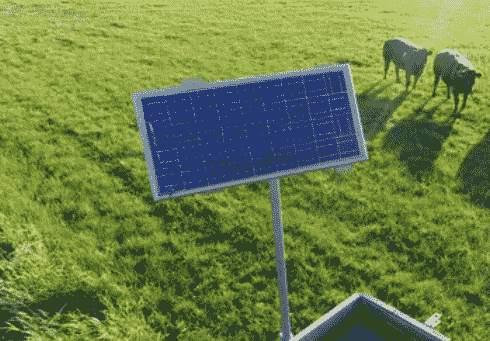
Countries like Kenya, Rwanda, and Senegal are integrating climate-smart agriculture and renewable energy into national strategies. Solar mini-grids are powering rural schools, while reforestation programs in the Sahel aim to restore degraded lands and create green jobs. These aren’t abstract projects; they’re community-led solutions addressing real, daily challenges.
ESG’s environmental pillar in Africa is about preservation but also adaptation. With shifting rainfall patterns and water scarcity, resilience must be built into the very systems that support life: farming, energy, water, and housing.
The Social Core of Sustainability
Africa’s youthful population is both a challenge and an opportunity. More than 60% of Africans are under 25. ESG frameworks that don’t prioritize education, access to healthcare, inclusion, and job creation are incomplete by design.
Across sectors, there’s growing attention to social equity from women-led climate startups in Ghana to inclusive finance platforms in Nigeria. The “S” in ESG isn’t a footnote it’s a necessity. A sustainable future for Africa must be one where communities have a voice in decisions that affect their land, resources, and lives.
Governance: The Foundation of Trust
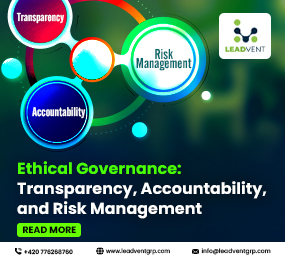
Good governance is the thread that holds ESG together. Without transparency, accountability, and inclusive leadership, climate financing risks becoming another missed opportunity.
Governments and institutions across Africa are making strides slowly but surely. ESG reporting is growing, driven by both investor pressure and civic demand. Anti-corruption efforts, clearer regulations, and partnerships with civil society are helping to build public trust and encourage responsible business practices.
Looking Ahead
Africa doesn’t need to copy-paste ESG frameworks from abroad. It needs tailored, local approaches that consider cultural, economic, and environmental realities. If done right, ESG can be more than a compliance exercise it can be a powerful tool for transformation.
Takeaway Point: Africa’s climate future depends on how well environmental, social, and governance principles are woven into the continent’s development path. When ESG reflects local needs and values, it becomes a blueprint for real, lasting change.
Learn more on our website: https://www.leadventgrp.com/event/esg-and-climate-africa-summit/register
For more information and group participation, contact us: [email protected]
Leadvent Group - Industry Leading Events for Business Leaders!
www.leadventgrp.com | [email protected]











Comment