

Agrivoltaics in Action: Rethinking Land Use for Food and Clean Energy
As the world faces the twin challenges of climate change and food security, a new approach to land use is gaining traction agrivoltaics. It’s a simple idea with powerful potential: use the same land for both farming and solar energy production.
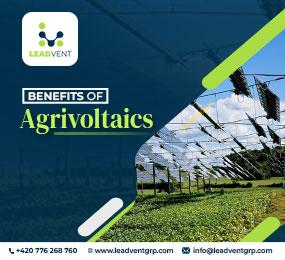
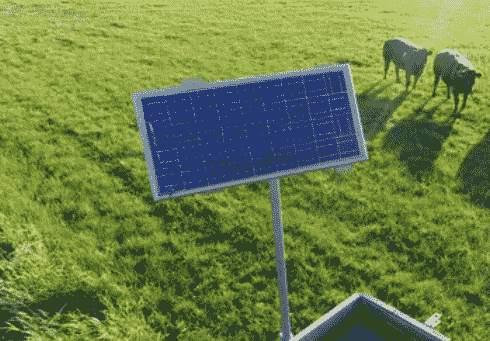
Rather than choosing between food and energy, agrivoltaics allows for both. By installing solar panels above crops or grazing areas, farmers and landowners can generate clean electricity while still growing food or raising animals. It’s an approach that reflects the practical needs of farmers, especially in regions where land is limited or climate stress is growing.
A Practical Solution to a Pressing Problem
The beauty of agrivoltaics lies in its dual purpose. With the right system design, solar panels can protect crops from extreme heat, reduce water loss through evaporation, and even improve yields in some cases. At the same time, the energy generated can power farm operations or be sold to the grid offering a new revenue stream for farmers working on thin margins.
In dry or arid climates, where high heat and water scarcity make farming increasingly difficult, the shade created by panels can create a more favorable growing environment. In turn, the cooling effect of the plants can improve the efficiency of the panels, which tend to lose performance in high temperatures.
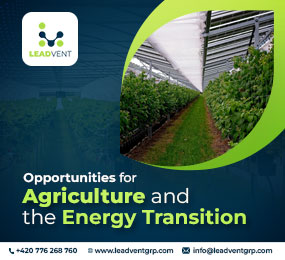
This is not just a theory. Projects in countries like Kenya, France, Japan, and the United States have already shown promising results. Lettuce, tomatoes, grapes, and even grains have been successfully cultivated under agrivoltaic systems.
Supporting Farmers and Energy Goals Together
Agrivoltaics is more than a technology it’s a strategy. For farmers facing rising input costs, unpredictable weather, and tighter margins, it offers an opportunity to diversify income while building climate resilience. And for governments aiming to expand renewable energy without disrupting food systems, it offers a way to meet energy targets without displacing agriculture.
However, success doesn’t come from panels alone. It requires thoughtful planning. The crops, the spacing of the panels, the local climate, and the infrastructure for energy use or distribution all play a role. Collaboration between energy developers, agricultural experts, and farmers themselves is crucial to getting it right.
A Model for Climate-Smart Land Use
As climate risks continue to grow, we can no longer afford to think of land use in silos. Agrivoltaics challenges us to design systems that meet multiple needs at once. With proper investment, training, and support, this model could transform how we think about farming, clean energy, and land stewardship.
Takeaway Point:
Agrivoltaics proves that we don’t have to choose between food and clean energy. With smart design and local collaboration, farmers can feed their communities, power their operations, and protect the land all at the same time.
Learn more on our website: https://www.leadventgrp.com/event/4th-annual-agrivoltaics-europe/register
For more information and group participation, contact us: [email protected]
Leadvent Group - Industry Leading Events for Business Leaders!
www.leadventgrp.com | [email protected]





Comment