

Connecting Nations Through Clean Energy
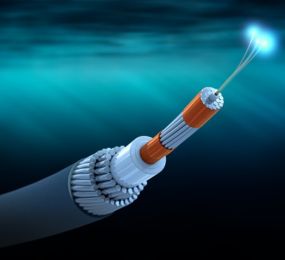
The clean energy revolution depends on infrastructure most people will never see. Although solar panels and wind turbines receive much of the attention, Submarine Power Cable systems create a network under the surface that is transforming how countries communicate and transition to clean energy. These massive underwater cables traverse oceans and seas, helping many areas connect and increase the flow of renewable electricity across the continent like never before.
The Surge in Underwater Energy Infrastructure
The Submarine Power Cable industry is growing at an extraordinary rate thanks to the global move toward renewable power. As offshore wind projects increase and nations pursue ambitious goals to reduce carbon output, this market is expanding.
These specialized cables serve a critical purpose:
- Connecting offshore renewables: They connect offshore wind farms, tidal generators, and wave energy facilities to connect clean energy to communities.
- Enabling untapped potential: Without this underwater infrastructure, the vast potential of offshore clean energy would remain isolated and unusable.
- Expanding rapidly: In recent times, submarine power cables have been growing longer, storing more energy, and becoming more advanced in technology.
- Driving market growth: The global shift to clean energy sources is the main driving force behind the fast expansion of this infrastructure.
- Supporting major projects: Countries are working on projects like connecting wind farms in the North Sea, linking solar farms in the Middle East, and setting up energy pathways across Asia.
The data shows that this industry plays a key role in the shift towards clean energy.
Building Bridges Between Nations
One of the biggest game-changers in Submarine Power Cable technology lies in its power to link energy systems across nations. These links go beyond transferring electricity. They help strengthen energy security, boost economies, and encourage countries to work together for the environment.
Cross-border interconnections offer several compelling advantages:
- Using resources better: Nations with plenty of renewable energy can send extra electricity to nearby countries that face energy shortages.
- Grid stability: Interconnected systems can balance supply and demand more effectively across wider geographic areas.
- Cost efficiency: Shared infrastructure reduces the need for duplicate generating capacity in each nation.
- Climate action: Regional cooperation accelerates the retirement of fossil fuel plants.
Take, for example, the Viking Link between the UK and Denmark, or the proposed Australia-Asia PowerLink that would carry solar energy over thousands of kilometers. Both are examples of how Submarine Power Cable systems continue to reshape geopolitical energy connections and provide opportunities for new climate collaboration.
Innovation Beneath the Surface
Today's submarine cables are advanced. High-Voltage Direct Current (HVDC) technology has fundamentally transformed underwater long-distance transmission by reducing energy losses and increasing efficiency on routes that not too long ago would have been unimaginable.
Still, there are tough hurdles. Laying cables in rough ocean conditions needs expert ships' accurate engineering and detailed environmental prep. Teams must study the seafloor, check shipping paths, watch fishing areas, and consider marine life when choosing routes. After installation, cables face high-pressure, strong ocean currents, and risks of damage from fishing tools or anchors.
The industry has shown remarkable progress with new ideas. Real-time data on cable health and possible faults is now accessible thanks to advanced monitoring systems. Better materials now make cables last longer and handle heat better. Digital tools change the way operators maintain systems by identifying problems that prevent expensive breakdowns. The specialized nature of this work has created a thriving ecosystem of expertise, from manufacturers and installation contractors to maintenance providers and regulatory specialists.
Where Submarine Cable Technology Meets Tomorrow
The future of submarine power cables is looking exciting and full of changes. Floating offshore wind platforms will need bendable, flexible cables that can move with the water but still work well. Energy islands, which are man-made structures acting as hubs for renewable energy at sea, will need advanced connections. Some projects even mix different kinds of renewable energy, which means the way power gets transmitted will become trickier.
Experts predict significant growth in the market over the next ten years as governments around the world speed up efforts to use renewable energy. The submarine cable sector is gearing up not only to handle this surge in demand but also to lead the way by creating systems that make international clean energy projects more efficient, dependable, and cost-effective.
Join the Conversation at the Premier Submarine Cable Event
The complexities and opportunities within this sector require ongoing collaboration among industry leaders, technical experts, policymakers, and project developers. That's where Leadvent Group comes in. As a recognized convener of critical industry conversations, Leadvent Group has established itself as a thought leader in the submarine cable sector.
The 5th Annual Submarine Power Cable and Interconnection Forum will be held on November 18-19, 2025, in London, UK. The submarine cable event, recognized as the leading submarine cable meeting, provides the opportunity for over 70 senior practitioners and experts to meet, share, participate in case studies, discussions, and network over two days.
If you're working to build interconnection paths, bring renewable energy into national electricity grids, or deal with regulatory challenges, this forum shares unique knowledge you won’t find anywhere else. It explores every stage of Submarine Power Cable systems, including planning, designing, making, installing, safeguarding, running, and maintaining them.
Make sure to grab this chance to meet the people driving change in subsea energy infrastructure. Check out the event page now to book your spot at this essential event.
Frequently Asked Questions
- What is a Submarine Power Cable?
A submarine power cable is a specialized electrical cable designed to transmit electricity underwater, typically laid on the seabed to connect offshore energy installations to onshore grids or to link power systems across bodies of water between countries or regions.
- Why are submarine cables important for renewable energy?
Submarine cables are an important part of the infrastructure that connects offshore wind farms, tidal energy systems, and other marine renewable facilities to the electricity grids on land. Submarine cables also support cross-border energy trading, enabling countries to share clean energy resources and enhance the overall stability of the electrical grid.
- How long do submarine power cables last?
Modern Submarine Power Cable systems typically have a design life of 25-40 years, though actual lifespan depends on environmental conditions, maintenance practices, and operational stress. Regular monitoring and proactive maintenance help maximize cable longevity and reliability.
- What topics are covered at the Leadvent Group Submarine Cable Forum?
The forum focuses on important industry subjects such as HVDC technology, methods for installing cables, ways to detect and prevent faults, evaluating environmental effects, rules and regulations, examples of past projects, and new advancements in underwater power links.






Comment