

Offshore Wind: Unlocking the Power of the Ocean
As the global demand for clean energy continues to rise, offshore wind is becoming one of the most important renewable energy solutions shaping the future of electricity generation. By harnessing stronger and more consistent winds over the ocean, offshore wind farms are helping countries reduce carbon emissions, strengthen energy security, and accelerate the transition toward sustainable power systems.
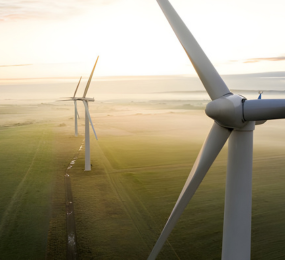
Unlike onshore wind projects, offshore wind farms are built in coastal and open-sea environments where wind speeds are generally higher and more stable. These conditions allow turbines to generate larger amounts of electricity with greater consistency, making offshore wind an increasingly reliable source of renewable energy.
One of the key advantages of offshore wind is its scale. Offshore turbines are significantly larger than many onshore models, with taller towers and longer blades designed to capture more energy. A single offshore wind farm can produce enough electricity to power hundreds of thousands of homes, supporting growing energy demand while reducing dependence on fossil fuels.
Environmental sustainability is one of the major driving forces behind the expansion of offshore wind. Since wind energy generates electricity without direct carbon emissions, offshore projects contribute to global climate goals and support national net-zero strategies. Many governments are now integrating offshore wind into long-term energy planning as part of broader decarbonization efforts.
The economic impact of offshore wind is equally significant. The sector creates employment opportunities across engineering, manufacturing, construction, logistics, and maintenance. Coastal communities often benefit from investments in ports, supply chains, and supporting infrastructure, helping stimulate regional economic development.
Technological innovation has played a major role in the rapid growth of the industry. Advances in turbine efficiency, digital monitoring systems, and installation techniques have improved performance while reducing operational costs. Modern offshore wind farms use advanced sensors and real-time analytics to monitor turbine conditions, optimize energy production, and improve maintenance planning.
Floating offshore wind technology is opening new opportunities for the sector. Traditional offshore wind farms are generally limited to shallow waters where turbines can be fixed to the seabed. Floating platforms, however, allow turbines to operate in deeper waters where wind conditions are often stronger and more consistent. This innovation is expected to expand offshore wind development into new regions around the world.
Despite its potential, offshore wind also presents challenges. Building and maintaining infrastructure in marine environments requires specialized equipment, technical expertise, and significant investment. Harsh weather conditions, strong ocean currents, and complex installation processes can increase project costs and operational complexity.
Environmental considerations are another important aspect of offshore wind development. Projects must be carefully planned to minimize impacts on marine ecosystems, fisheries, and bird migration patterns. Ongoing environmental assessments and responsible project management are essential to ensuring long-term sustainability.
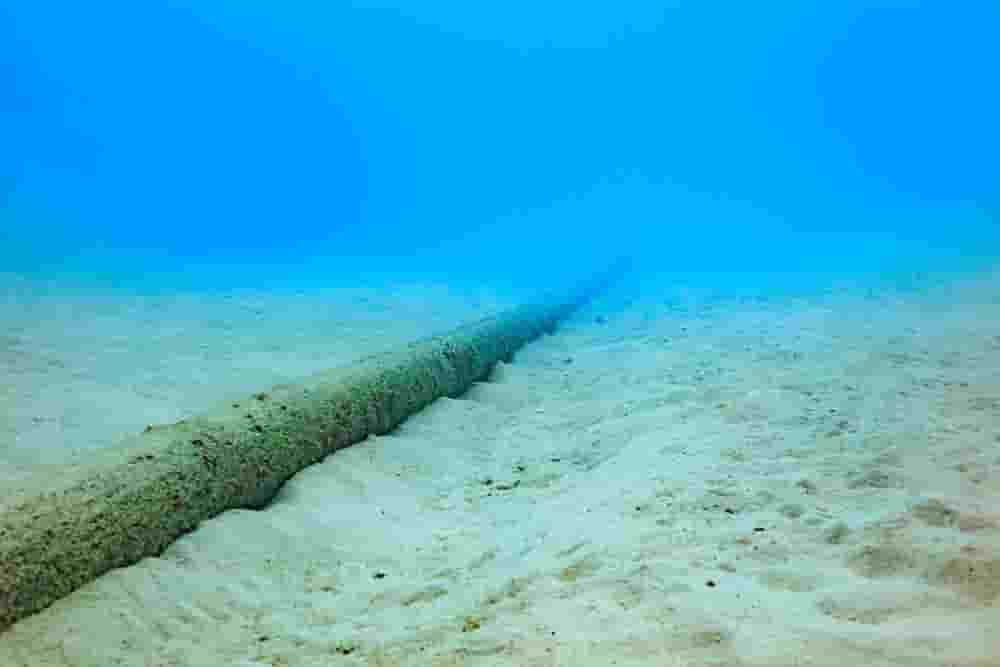
Grid connectivity remains a key factor in offshore wind expansion. Electricity generated offshore must be transmitted efficiently to onshore grids through subsea cable systems and upgraded transmission infrastructure. Continued investment in grid modernization is critical to maximizing the benefits of offshore renewable energy.
Offshore wind is no longer viewed as a niche technology—it is becoming a cornerstone of the global clean energy transition. As innovation continues and investment grows, offshore wind will play an increasingly important role in delivering reliable, large-scale renewable energy for the future.
Takeaway Point:
Offshore wind is transforming renewable energy generation by delivering large-scale, low-carbon electricity while supporting economic growth and long-term sustainability goals.
Learn more on our website: https://www.leadventgrp.com/event/5th-annual-offshore-wind-operations-and-maintenance-forum/register
For more information and group participation, contact us: [email protected]
Leadvent Group - Industry Leading Events for Business Leaders!
www.leadventgrp.com | [email protected]




Comment