

Marine Fuels: Driving Sustainability Across Global Shipping
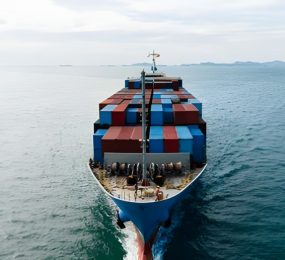
The maritime industry plays a vital role in the global economy, transporting goods, raw materials, and energy resources across international markets. At the center of this vast network are marine fuels—the energy sources that power commercial vessels through long and demanding journeys. As environmental regulations tighten and sustainability becomes a global priority, the marine fuel sector is undergoing one of the most significant transformations in its history.
For decades, heavy fuel oil (HFO) has been the primary fuel used in large shipping vessels due to its affordability and high energy density. Marine diesel has also been widely used, especially for smaller ships and auxiliary systems. While these fuels have supported efficient shipping operations, they are also associated with high levels of greenhouse gas emissions and air pollutants such as sulfur oxides and particulate matter.
Growing environmental concerns have accelerated the search for cleaner fuel alternatives. One major shift has been the adoption of very low sulfur fuel oil (VLSFO), introduced to comply with international regulations aimed at reducing sulfur emissions from ships. This transition has significantly improved air quality in ports and coastal regions while encouraging the industry to adopt more sustainable practices.
Liquefied natural gas (LNG) has also emerged as a transitional marine fuel. Compared to conventional fuel oils, LNG produces lower sulfur emissions and reduced particulate pollution. It also offers a moderate reduction in carbon emissions. Although LNG is not considered a permanent solution for full decarbonization, it has helped bridge the gap between traditional fuels and future low-carbon alternatives.
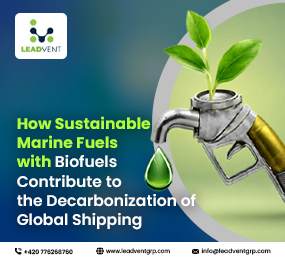
Attention is now shifting toward next-generation sustainable marine fuels. Biofuels are gaining traction because they can often be integrated into existing engines with minimal modifications. Produced from renewable sources such as waste oils and agricultural residues, biofuels provide an opportunity to reduce lifecycle emissions while maintaining operational efficiency.
Green methanol and ammonia are also becoming increasingly important in the maritime energy transition. These fuels have the potential to significantly lower carbon emissions when produced using renewable energy. Several shipping companies are already investing in vessels designed to operate on these alternative fuels, reflecting the industry’s long-term commitment to cleaner operations.
Hydrogen is another emerging option with strong future potential. While challenges remain regarding storage, infrastructure, and onboard safety systems, hydrogen-based technologies continue to attract investment and research as the industry explores zero-emission shipping solutions.
Beyond fuel innovation, shipping companies are improving vessel efficiency through advanced engineering and digital technologies. Modern ships are being designed with optimized hull structures, more efficient propulsion systems, and real-time performance monitoring tools that help reduce fuel consumption and operational costs.
Infrastructure development remains one of the sector’s biggest challenges. Ports and fueling facilities must adapt to accommodate new fuel types safely and efficiently. This transition requires significant investment and close collaboration between governments, fuel suppliers, shipping companies, and regulatory bodies.
Cost is another important consideration. Sustainable marine fuels are currently more expensive than traditional fuel oils, making large-scale adoption a gradual process. However, continued technological progress and increasing production capacity are expected to improve affordability over time.
Marine fuels are no longer simply a matter of powering ships—they are central to the future of sustainable global trade. As innovation continues and environmental goals become more ambitious, cleaner marine fuels will play an increasingly important role in reshaping the shipping industry.
Takeaway Point:
Marine fuels are evolving toward cleaner and more sustainable alternatives, helping the shipping industry reduce emissions while maintaining efficient and reliable global trade operations.












Comment