

Data Centre Innovation: Powering the Future of Digital Infrastructure
As the world becomes increasingly connected, data centres have become the foundation of the modern digital economy. From cloud computing and artificial intelligence to online banking, streaming platforms, and remote work systems, nearly every digital service relies on data centre infrastructure. With global data consumption continuing to rise, innovation within the sector is now essential to support performance, scalability, and sustainability.
Traditionally, data centres were built primarily to store and process information. Today, they are evolving into highly advanced facilities designed to handle enormous computing workloads while operating with greater efficiency and resilience. This transformation is being driven by rapid technological advancements and the growing demand for faster, more reliable digital services.
One of the biggest areas of innovation is energy efficiency. Data centres consume large amounts of electricity, not only to power servers but also to maintain cooling systems that prevent overheating. To address this challenge, operators are investing in intelligent energy management systems that monitor and optimize power usage in real time. These technologies help reduce energy waste while improving operational performance.
Cooling technology has also advanced significantly in recent years. Traditional air-cooling systems are increasingly being supplemented by liquid cooling and immersion cooling solutions. These methods are more efficient at managing heat generated by high-performance computing equipment and can significantly reduce overall energy consumption.
Artificial intelligence is playing a growing role in modern data centre operations. AI-powered systems can analyze vast amounts of operational data, predict maintenance needs, and automatically optimize workloads across servers. This improves reliability, minimizes downtime, and increases overall efficiency.
Scalability is another key focus in the industry. As businesses expand their digital operations, they require infrastructure that can adapt quickly to increasing demand. Modular data centre designs are becoming more common because they allow operators to add computing capacity in stages rather than rebuilding entire facilities. This approach improves flexibility and reduces deployment time.
Edge computing is also reshaping the future of digital infrastructure. Instead of relying entirely on centralized facilities, organizations are deploying smaller data centres closer to end users. This reduces latency and improves the performance of applications that depend on real-time data processing, such as autonomous systems, smart technologies, and financial services.
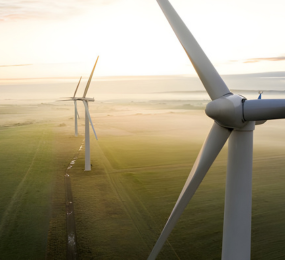
Sustainability has become a major priority across the data centre industry. Many operators are integrating renewable energy sources such as solar and wind into their power supply strategies. Others are implementing water-efficient cooling systems and adopting carbon reduction initiatives to minimize environmental impact.
Connectivity remains central to data centre performance. High-speed fiber networks, low-latency systems, and redundant communication pathways ensure uninterrupted digital services across industries and regions. As internet traffic and cloud adoption continue to grow, reliable connectivity becomes even more critical.
Security is equally important. Data centres manage sensitive information for businesses, governments, and consumers, making cybersecurity and physical security essential components of modern infrastructure. Advanced surveillance systems, encryption technologies, and access controls help protect critical data assets from emerging threats.
Despite ongoing innovation, the industry still faces challenges related to rising energy demand, infrastructure costs, and the need for continuous technological upgrades. However, investment in smarter and more sustainable systems continues to accelerate.
Data centre innovation is no longer just about supporting technology—it is about enabling the future of the global digital economy. As businesses and societies become more digitally dependent, advanced data infrastructure will remain essential for growth, connectivity, and resilience.
Takeaway Point:
Data centre innovation is transforming digital infrastructure through smarter, more efficient, and sustainable technologies that support the growing demands of the modern digital world















Comment