

Offshore Wind Power Transmission Challenges
The offshore wind industry is experiencing unprecedented growth, but getting that clean energy from turbines spinning miles offshore to your home remains one of the biggest engineering challenges. As wind farms move further from shore to capture stronger, more consistent winds, offshore wind power transmission becomes increasingly complex and costly. Understanding the eight primary transmission methods and their unique challenges is crucial for industry professionals working to scale this vital renewable energy source.
The Eight Methods for Transforming Offshore Wind Power Transmission
High Voltage Alternating Current (HVAC) Radial Connection
This straightforward approach connects offshore wind farms directly to the onshore grid using AC cables. While cost-effective for shorter distances, HVAC systems face significant transmission losses beyond 50-80 kilometers. Cable charging currents and reactive power requirements create additional headaches, limiting the viable distance for wind power projects.
High Voltage Direct Current (HVDC) Point-to-Point
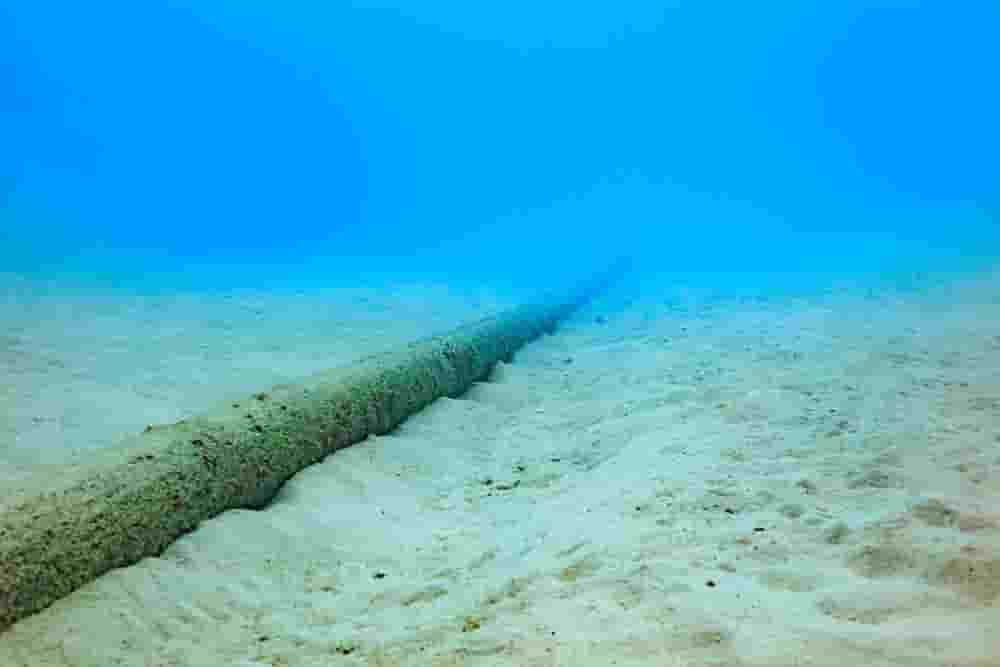
HVDC uses a setup where AC power is switched to DC offshore, sent through underwater cables, and then restored to AC on land. This system cuts down transmission losses over long distances, which makes it the preferred choice when wind farms are far out at sea. Still, the high cost of converter stations and the tricky upkeep of offshore equipment remain big obstacles.
HVDC Multi-Terminal Networks
HVDC advances further with multi-terminal systems, which let multiple wind farms use the same transmission setup. It works like a main highway for transferring offshore wind energy, where several input points connect to one major line. This setup needs advanced controls and tight coordination, which makes it tricky to manage. Yet, it offers a cost-effective option to group nearby wind projects.
Low Frequency AC (LFAC) Transmission
Operating at reduced frequencies (typically 16.7 Hz instead of 50/60 Hz), LFAC systems minimize the reactive power issues that plague conventional AC transmission. The trade-off? Specialized transformers and a limited commercial track record create uncertainty for developers considering this offshore wind power transmission method.
Fractional Frequency Transmission Systems (FFTS)
Similar to LFAC, FFTS operates at even lower frequencies, often one-third of the grid frequency. While this reduces cable losses and voltage drops, the power capacity limitations and need for complex frequency conversion equipment have kept widespread adoption at bay.
Shared Transmission Networks with Interconnected Hubs
These systems create offshore transmission grids connecting multiple wind farms to multiple onshore connection points. The potential for improved reliability and reduced costs is significant, but regulatory coordination between different countries and regions presents major hurdles for offshore wind power transmission development.
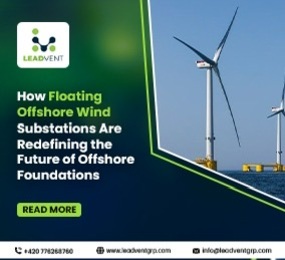
Floating Substation-Based Transmission
For deep-water locations where fixed structures aren't feasible, floating substations offer a game-changing solution. These platforms can move with the waves while maintaining critical electrical connections. The challenge? Saltwater, constant motion, and harsh weather conditions create maintenance nightmares and equipment reliability concerns.
Hybrid AC/DC Transmission Systems
Combining AC collection systems with DC transmission aims to optimize both local collection and long-distance transmission. The interface between these systems creates control complexity, but the flexibility to match the right technology to each application segment makes hybrid approaches increasingly attractive.
Universal Challenges Facing Offshore Wind Power Transmission
Beyond method-specific issues, several challenges cut across all offshore wind power transmission approaches:
Environmental extremes: Salt corrosion, temperature fluctuations, and marine conditions test equipment limits daily.
Economic pressures: Capital costs often exceed $1 billion per project, with long payback periods.
Grid integration complexity: Maintaining power quality and grid stability becomes more challenging as offshore capacity grows.
Regulatory maze: Permitting processes span multiple jurisdictions and can take years to navigate.
Industry Innovation and Future Outlook
The offshore wind power transmission sector is responding with remarkable innovation. Advanced materials resist corrosion better, predictive maintenance reduces downtime, and standardized designs are bringing costs down. Regulatory frameworks are evolving to support multi-national projects, while new financing models make large-scale developments more feasible.
These tech and business breakthroughs matter because offshore wind capacity will grow a lot in the next ten years. The success of offshore wind projects will depend on which transmission methods turn out to be the most reliable and affordable.
The Path Forward for Offshore Wind Power Transmission
Each of the eight offshore wind transmission methods brings its own strengths and hurdles. Picking between straightforward HVAC radial setups or advanced multi-terminal HVDC systems depends on factors like how far the power needs to go, how much is being transmitted, local conditions, and overall costs.
These key issues in offshore wind power transmission and their solutions will take center stage at Leadvent Group's 2nd Annual Offshore and Floating Substations Forum. The event will gather experts from the industry to examine the technical, financial, and legal sides of incorporating offshore wind energy. This forum aims to create a space to find answers to the complex problems tied to transmission systems.
Frequently Asked Questions
What is the main difference between HVAC and HVDC for offshore wind power transmission?
HVAC works better for short distances but struggles with high losses over long spans. HVDC costs more to set up, but minimizes losses during transmission, making it a better pick for long-distance offshore energy projects.
Why are floating substations important for offshore wind power transmission?
Floating substations make it possible to transmit wind power from deep waters where fixed structures cannot be used. This opens up access to a much larger range of wind resources.
What are the biggest challenges facing wind power transmission today?
The industry faces big issues like the high cost of starting projects, tough weather making equipment less reliable, the tricky process of connecting to power grids, and the need to build special transmission systems designed for offshore wind setups.





Comment