

The Electric Shift in Heavy Machinery
The construction site of tomorrow looks remarkably different from today's diesel-powered landscape. Across Europe, stringent emission regulations are driving unprecedented demand for zero-emission Off-Highway Machines. From excavators to agricultural tractors, the machinery industry is experiencing a fundamental shift toward electric and hybrid powertrains. This transformation isn't just about meeting environmental standards—it's about reshaping how heavy-duty equipment operates in an increasingly sustainability-focused world.
What Are EV Powertrains?
Electric powertrains represent a complete departure from traditional mechanical and hydraulic systems that have dominated Off-Highway Machines for decades. Unlike conventional powertrains that rely on internal combustion engines, electric systems use battery-powered motors to drive both traction and work functions. The distinction between electrification and hybridization is crucial : while full electrification eliminates combustion engines, hybridization combines traditional engines with electric components for enhanced efficiency. Both approaches offer significant advantages, including zero local emissions, reduced noise levels, and improved energy efficiency.
Core Components of Electric and Hybrid Powertrains
Today's electric and hybrid powertrains include multiple connected components that work together to deliver power where it’s most needed.
Electric Motors act as the core of these systems. They turn electrical power into mechanical motion. These small but strong units handle tasks like traction and running hydraulic systems with high accuracy. Some advanced motors also use regenerative braking. This process captures energy that gets wasted during slowing down or lowering loads.
Battery Systems come in all sizes. They range from lightweight units just a few kilograms, to very heavy ones, sometimes over several hundred kilograms. A Battery Management System keeps track of things like how cells perform, their temperature, and how much charge is left. It helps stretch their life and keeps them working . Just like with electric cars, recharging is often needed. Because of this, having proper charging setups becomes important to fleet owners.
Power Electronics and Control Units work like the brain of electric powertrains. Inverters take DC power from the battery and change it into AC to run the motor. The Electric Drive Control Unit (EDCU) acts as the system's main control hub, managing power flow and linking with other machinery systems.
Types of Powertrain Configurations
The world of electric and hybrid powertrains offers multiple configuration options, each suited to different applications and operational requirements.
Pure Electric Powertrains do away with combustion engines, depending on electricity from batteries. Electric motors power hydraulic pumps and other systems, providing immediate torque and accurate control. Different electrical setups are used based on the type of machine. Smaller machines like telehandlers use moderate power, while larger ones like excavators need much more energy to operate.
Hybrid Powertrains bring together the benefits of traditional combustion engines and new electric technology. Series hybrids rely on engines to act as generators. These generators create electrical energy for batteries and motors. Parallel hybrids use both mechanical and electrical power at the same time, improving how well the system works in different driving situations.
Specialized Systems explores more advanced designs. These include hydraulic-hybrid setups with supercapacitors to deliver rapid energy boosts and better energy recovery that collects power from hydraulic actions. Fuel cell hybrids are also growing, offering longer use while still meeting the goals of zero emissions.
Operation and Energy Management
Running electric and hybrid powertrains in off-road machinery brings some distinct difficulties when compared to vehicles used on regular roads. These machines handle tough tasks needing substantial power to lift, dig, or haul heavy loads. Unlike regular cars with set driving patterns, construction and farming equipment must work even under changing loads.
Energy recovery systems play a big role in these setups. They use the stop-and-go work style of off-road tasks by gathering energy during actions like braking, lowering, or moving hydraulics. Managing heat becomes a major issue when these machines perform in tight spots or extreme weather, where releasing heat isn't easy. Using physics-based simulations in real-time supports smarter energy use, helping to push efficiency to its limits under real-world conditions.
Quick charging solutions address the infrastructure challenge inherent in field operations. While urban construction sites may have ready access to charging infrastructure, remote agricultural or mining operations require innovative approaches to power replenishment.
Applications Across Off-Highway Sectors
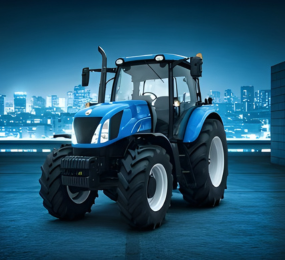
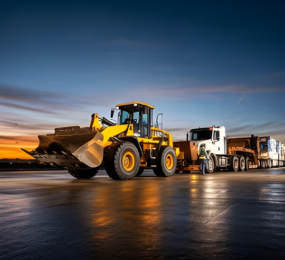
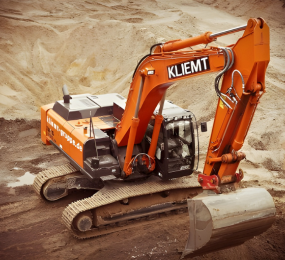
Electric and hybrid powertrains have uses in many off-road industries. Construction equipment companies are switching to electric for machines like excavators, wheel loaders, and aerial lifts to lower emissions in cities. Farming machines like tractors, sprayers, and harvesters take advantage of electric motors that run and deliver quick torque.
Mining companies see these technologies as a way to lower the need for ventilation in underground mines. The forklift industry has already achieved electrification, showing a clear path to electrify larger off-road machines.
Challenges and Future Outlook
Despite promising developments, several challenges remain. Power requirements for heavy-duty applications often exceed current battery capabilities, while weight considerations affect machine payload capacity. Infrastructure limitations in remote locations complicate charging logistics, and initial investment costs require careful ROI analysis.
However, market projections remain optimistic. Governments worldwide are adding more regulations, pushing for cleaner options. At the same time, technology is making progress. Innovations like better battery density, quicker charging, and stronger thermal management are speeding up how companies adopt electric solutions in off-road sectors.
Powering the Future of Off-Road Industries
The future of Off-Highway Machines is heading toward electrification and hybrid systems. Electric and hybrid engines are advancing and are changing how industries like construction, farming, and mining use their equipment. This shift means more than just meeting emission rules. It is paving the way to use smarter machines that save energy and are better for the planet.
To learn more about these game-changing technologies, people in the industry can attend Leadvent Group's 2nd Annual Non-Road Mobile Machinery Electrification and Decarbonization Forum. This big Off-Road summit brings together top experts, manufacturers, and suppliers. Attendees will discuss new ideas, share real-world stories, and plan the future of green off-road equipment.
Frequently Asked Questions
What's the difference between electric and hybrid powertrains in Off-Highway Machines?
Electric powertrains run on batteries, removing internal combustion engines. Hybrid systems mix traditional engines with electric motors. This mix boosts efficiency and cuts down on emissions.
How do duty cycles affect powertrain selection for off-road equipment?
Off-road machines need a lot of power to handle heavy loads and often work in tight areas. Energy density, easy power access, and how long they can run become key things to think about when choosing a powertrain.
What are the main benefits of electrifying Off-Highway Machines?
Switching to electric brings benefits like no emissions at the usage site, quieter operation, better fuel use, instant torque, and less upkeep in the long run compared to diesel powertrains.





Comment