

Non-Road Mobile Machinery and the Road to Decarbonization
While much attention in climate discussions focuses on road transport, aviation, and energy production, there’s a quieter but crucial contributor to emissions that often escapes the spotlight: non-road mobile machinery (NRMM).
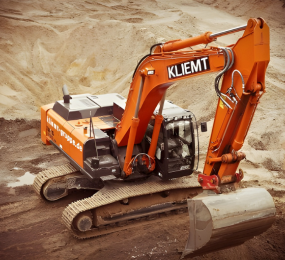
From construction excavators and agricultural tractors to airport ground vehicles and mining equipment, NRMM plays a vital role in building infrastructure, producing food, and supporting industry. However, their diesel-powered engines are significant sources of particulate matter, nitrogen oxides, and greenhouse gases. As the world pushes for climate neutrality, decarbonizing NRMM has become a necessary and urgent priority.
Why Non-Road Machinery Matters in Climate Strategy
NRMM often operates in close proximity to workers and urban populations, making its emissions a public health concern in addition to an environmental one. In Europe alone, NRMM accounts for nearly 15% of all transport-related NO? emissions. Unlike road vehicles, which are already subject to strict emissions standards and electrification trends, many NRMM sectors are only beginning to adopt cleaner technologies.
However, momentum is building. Governments, regulators, and industry leaders are now recognizing that if climate goals are to be met, NRMM cannot be left behind. The push is on to develop efficient electric machinery, hybrid systems, and cleaner fuels that can replace diesel in the most demanding environments.
Pathways to Cleaner Operations
The first step toward decarbonization is recognizing the diversity of machinery and operational needs. Electrification works well for light-duty and short-cycle equipment, such as forklifts or compact loaders, especially in enclosed or urban areas. Battery-powered models offer quieter operation, lower maintenance, and zero tailpipe emissions.
For heavier-duty or off-grid machinery, low-carbon fuels like renewable diesel (HVO), hydrogen, and even fuel cells are under active development and trial. Meanwhile, digital technologies are helping optimize machine efficiency, reduce idling time, and track emissions in real time allowing companies to measure and manage their carbon footprint more effectively.
Manufacturers are also embracing modular designs that allow for easier retrofits and future upgrades, offering a practical route for companies to begin their transition without replacing entire fleets.
Challenges and Opportunities
The shift won't be without hurdles. High upfront costs, limited charging or refueling infrastructure, and the wide range of equipment types present challenges. But the long-term gains reduced fuel costs, regulatory compliance, improved air quality, and sustainable credentials offer strong incentives.
Supportive policies, pilot programs, and industry collaboration will be essential in scaling these innovations. The global supply chain is already responding, with major players launching all-electric and hybrid machinery lines and governments setting future emissions standards that will further shape the market.
Takeaway Point
Decarbonizing non-road mobile machinery is no longer a back-office conversation it’s a frontline opportunity to make industrial work cleaner, safer, and more future-ready. By adopting new technologies, embracing low-carbon fuels, and rethinking operational practices, the industry can be part of the climate solution, not the problem. The journey starts with bold steps steps that are already being taken across construction sites, farms, ports, and beyond.
Learn more on our website: https://www.leadventgrp.com/event/2nd-annual-non-road-mobile-machinery-electrification-and-decarbonization-forum/register
For more information and group participation, contact us: [email protected]
Leadvent Group - Industry Leading Events for Business Leaders!
www.leadventgrp.com | [email protected]










Comment